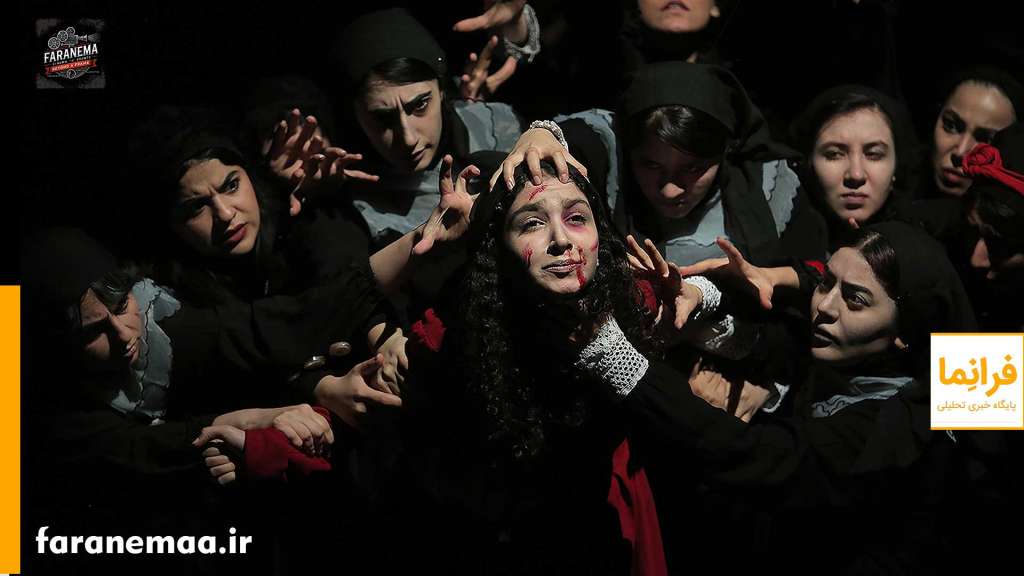
به گزارش فرانما، نمایش «خانه برنارد آلبا» به کارگردانی ارس راد که این روزها در عمارت نوفللوشاتو روی صحنه است، نهتنها یکی از مهمترین آثار لورکا را بازخوانی میکند، بلکه بهواسطه نگاه اجتماعی و زنانهاش، با شرایط امروز جامعه نیز پیوند خورده است. در گفتوگو با عوامل این نمایش، از چرایی انتخاب این متن کلاسیک تا تجربه کار با گروهی عمدتاً زنانه و چالشهای ممیزی، تصویری روشن از پشتصحنه این اجرا به دست میآید.
ارس راد: «تاریخ تکرار میشود؛ مسائل زنان هنوز حل نشده است»
ارس راد، کارگردان نمایش، درباره دلیل انتخاب دوباره این متن کلاسیک میگوید:
«۸۰ سال از مرگ لورکا گذشته، اما مسائلی که او درباره زنان، سنت و ساختارهای اقتدارگرایانه مطرح کرده، هنوز در همه جوامع وجود دارد. تاریخ تکرار میشود؛ چیزی تمام نمیشود، فقط شدت و شکلش تغییر میکند.»
او تأکید میکند که انتخاب این نمایشنامه با وجود اجراهای متعدد قبلی، تصمیمی ساده نبوده:
«اساتید بزرگی این کار را اجرا کردهاند. سخت بود دوباره سراغش بروم. اما شیوه اجرایی متفاوت و تغییراتی که در دیالوگها دادیم، باعث شد احساس کنم هنوز جا برای خوانش تازه وجود دارد.»
راد درباره تغییرات متن میگوید:
«خط داستان همان است، اما متن تغییرات زیادی دارد. از اجراهای قبلی این نمایش کم الگو گرفتم، اما از تئاتر جهان و ایران، طبیعتاً وامدار هستیم.»
«اقتصاد تئاتر سخت است؛ اما نمیتوانیم زندگی را متوقف کنیم»
کارگردان نمایش درباره وضعیت اقتصادی تئاتر نیز صریح است:
«در زمانهای کار را روی صحنه بردیم که هیچکس کاری نمیکند. اگر صادق باشم، هنوز گلیممان را از آب بیرون نکشیدهایم. اما زندگی متوقف نمیشود. نمیتوانیم بگوییم چون شرایط سخت است، کار نکنیم.»
او درباره فشارهای اجتماعی و انتظار برای توقف فعالیت هنری میگوید:
«جامعه میگوید تو هم باید غمگین باشی. اما زمان خطی است، نه دایرهای. زندگی جلو میرود. باید قوی باشیم و عبور کنیم.»
تجربه کار با گروهی کاملاً زنانه
یکی از ویژگیهای این اجرا، حضور تعداد زیادی بازیگر زن است. راد میگوید:
«خیلیها گفتند مطمئنی میخواهی با ۱۵ تا ۲۰ پرسوناژ زن کار کنی؟ اما تجربهای فوقالعاده بود. گروه یکدل بود، بدون حاشیه، بدون تنش. برخلاف تصور، همهچیز بسیار حرفهای پیش رفت.»
چالش ممیزی و حرکات موزون
راد تأیید میکند که نمایش با ممیزیهایی مواجه بوده:
«بله، دخالتهایی شد. اما ما پافشاری کردیم. هر کسی از بیرون نباید دیدگاه خودش را تحمیل کند. باید دیدگاه کارگردان را ببیند. خوشبختانه توانستیم از این مرحله عبور کنیم.»
سحر رستمیان (برنارد آلبا): «تا ظلم هست، این نمایش باید اجرا شود»
سحر رستمیان که نقش اصلی نمایش را بازی میکند، میگوید:
«سالها بود منتظر این نقش بودم. نسخههای زیادی دیده بودم، اما تلاش کردم برناردای خودم را بسازم. تا زمانی که ظلم هست، این نمایش باید اجرا شود.»
او درباره وزن نقش میگوید:
«به نظرم همه بازیگران به یک اندازه مهم بودند. من فقط تلاش کردم کار خودم را درست انجام بدهم.»
حورا خسرومنش (آنگوستیاس): «نجاتدهنده واقعی خودِ زن است»
خسرومنش درباره نقش خود میگوید:
«آنگوستیاس بین رویا و واقعیت معلق است. امید او را زنده نگه داشته، اما نمیداند که خودش باید خودش را نجات دهد. این نمایش درباره ظلم به زنهاست؛ ظلمی که گاهی خود زنان هم در بازتولیدش نقش دارند.»
شادان کوچکی (پونسیا): «نقشی دو برابر سنم؛ چالشی که دوستش داشتم»
کوچکی درباره نقش خدمتکار ۶۰ ساله میگوید:
«اولین بار بود چنین فاصله سنی را تجربه میکردم. نسخههای مختلف را دیدم، اما تلاش کردم کپی نکنم. پونسیا از آن نقشهایی است که شب آخر اجرا دلم برایش تنگ میشود.»
هلیا شهسواری (آملیا): «این نمایش درباره زنانی است که یا حل میشوند یا حذف»
شهسواری نقش آملیا را چنین توصیف میکند:
«آملیا بار غصه همه را به دوش میکشد. این نمایش درباره سیستمی است که یا تو را در خودش حل میکند یا حذف. آزادی زنان خونبها داشته و این نمایش یادآور همین واقعیت است.»
طناز مقدم (مارتریو): «سرکوب، ترسناکترین نیروی جهان است»
مقدم میگوید:
«مارتریو برای من نماد سرکوب است؛ سرکوبی که آدم را به مرزهای خطرناک میرساند. خیلی از فجایع اجتماعی از همین احساسات سرکوبشده میآید.»
رومینا حسینی (ماگدالنا): «تنها خواهری که به خودش باور دارد»
حسینی درباره نقش خود میگوید:
«ماگدالنا تنها کسی است که به خودش بیشتر از بقیه باور دارد. تلاش میکند خودش را بالا بکشد. این نمایش برایم مهم بود چون درد زنان امروز را بازتاب میدهد.»
عاطفه حسینزاده، طراح حرکت: «حرکات زنانه، بدون تاچ و با ممیزی طراحی شد»
حسینزاده درباره طراحی حرکت میگوید:
«نمایش بسیار زنانه بود و جای کار زیادی داشت. با توجه به ممیزیها، حرکات را طوری طراحی کردیم که تاچ کم باشد اما حس و مفهوم منتقل شود. آزمون و خطا زیاد داشتیم، اما فیدبکها عالی بود.»
او درباره جایگاه طراحی حرکت در ایران میگوید:
«در سه سال اخیر، با تغییر فضای اجتماعی، حرکات موزون در تئاتر و تصویر رسمیتر شده و بیشتر پذیرفته میشود.»
جمعبندی
«خانه برنارد آلبا» در این اجرا نهتنها بازخوانی یک متن کلاسیک است، بلکه بازتابی از وضعیت زنان، فشارهای اجتماعی و تلاش برای عبور از چرخه سرکوب است. گروهی بزرگ از زنان بازیگر و هنرمند، همراه با کارگردانی که به خوانش تازهای از لورکا باور دارد، این نمایش را به یکی از تجربههای متفاوت تئاتر این روزها تبدیل کردهاند.
گفتوگو و تصویر: کامیار معصومی، امیر فرخاد
عکس: مسعود ساکی
هماهنگی: عاطفهحسینزاده
Behind the Scenes of “The House of Bernarda Alba” in Tehran
A Feminine, Defiant, and Socially Charged Staging of “The House of Bernarda Alba”
In a moment when Iranian theatre grapples with economic strain, social tension, and heightened scrutiny, director Ars Rad brings a bold and deeply feminine interpretation of The House of Bernarda Alba to the stage of Noufel Loshato Mansion. Through a cast composed almost entirely of women, and a reading that confronts oppression, silence, and the cyclical nature of history, the production has become one of the most talked‑about performances of the season. In this exclusive conversation with Franama, the director and cast reveal the artistic, emotional, and political layers behind their staging.
Ars Rad: “History repeats itself; the issues women face are far from resolved.”
Director Arass Rad, presenting his second directorial work after years of acting and assisting, explains why a nearly 80‑year‑old text still feels urgent:
“The problems Lorca wrote about haven’t disappeared. Not in our society, not anywhere. History repeats itself. These issues don’t end; their intensity changes, but they remain.”
Choosing a text staged many times before—often by major Iranian theatre figures—was not an easy decision:
“It was a difficult choice. Great masters have staged this play. But the reason I insisted was the new performance approach and the textual changes we introduced. I felt there was still room for a fresh interpretation.”
A revised text with a familiar spine
Rad notes:
“The storyline is the same, but the text has undergone significant changes. I borrowed very little from previous Iranian productions, but of course, we all draw from global theatre traditions.”
The harsh economics of theatre
He speaks candidly about the financial challenges:
“We staged this play at a time when almost no one is producing. Honestly, we haven’t yet managed to pull ourselves out of the financial struggle. But life doesn’t stop. We can’t freeze everything until conditions improve.”
Art in times of grief
Rad addresses the social expectation that artists should pause their work:
“People say: ‘You should be sad too. You shouldn’t work now.’ But time is linear, not circular. Life moves forward. We must stay strong and continue.”
Working with an all‑female ensemble
One of the production’s defining features is its large cast of women:
“Many warned me: ‘Are you sure you want to work with 15–20 female characters?’ But it turned out to be one of the most harmonious, united experiences I’ve had. No drama, no tension—just pure teamwork.”
Censorship and choreographic restrictions
Rad confirms that the production faced external pressures:
“Yes, there were interventions. But we insisted on our vision. Anyone coming from outside should understand the director’s perspective, not impose their own. Thankfully, we managed to move past it.”
Voices of the Cast
Sahar Rostamian (Bernarda Alba): “As long as oppression exists, this play must be performed.”
Rostamian, who had long dreamed of playing Bernarda, says:
“I’ve seen many versions, but I tried to create my own Bernarda. As long as oppression exists, this play must be staged.”
She emphasizes the ensemble nature of the work:
“Everyone’s presence was essential. I only tried to deliver my part truthfully.”
Hoorā Khosrowmanesh (Angustias): “The real savior is the woman herself.”
Khosrowmanesh describes her character:
“Angustias lives between dream and reality. She survives on hope, waiting for a savior—unaware that she must save herself.”
Shadan Koochakī (Poncia): “A role twice my age—my most challenging transformation.”
Playing a 60‑year‑old servant:
“It was my first time taking on such a large age gap. I watched Spanish and Persian versions but avoided copying. Poncia is a character I’ll miss when the show ends.”
Helia Shahsavari (Amelia): “A system that either absorbs you or eliminates you.”
Shahsavari explains:
“Amelia carries everyone’s sorrow. This play shows a system that either dissolves women into itself or erases them. The freedoms women have today—however small—have come at a cost.”
Tannāz Moghaddam (Martirio): “Repressed emotions are the most terrifying force.”
Moghaddam says:
“Martirio is the embodiment of repression. Many frightening things in society come from suppressed emotions. That’s why I chose this role.”
Romina Hosseini (Magdalena): “The only sister who truly believes in herself.”
Hosseini explains:
“Magdalena is the one who believes in her own worth. The play mirrors the struggles of women today, which is why I connected with it.”
Atefeh Hosseinzadeh, Movement Designer: “A feminine choreography shaped within censorship boundaries.”
Hosseinzadeh, with a decade of experience in movement design, describes her approach:
“The play is deeply feminine. We designed movements for sorrow, excitement, and love—while keeping physical contact minimal due to censorship. It took trial and error, but the audience response has been very positive.”
She notes that movement design has become more recognized in recent years:
“After recent social shifts, choreographic expression has become more accepted in theatre and even streaming productions.”
Conclusion
This staging of The House of Bernarda Alba is not merely a revival of a classic text—it is a contemporary reflection on oppression, womanhood, censorship, and resilience. Through a united ensemble of women and a director determined to reinterpret Lorca for today, the production stands as one of the season’s most significant theatrical events.