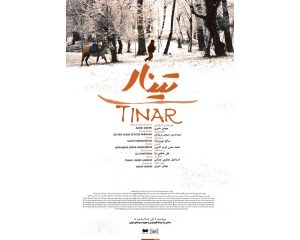
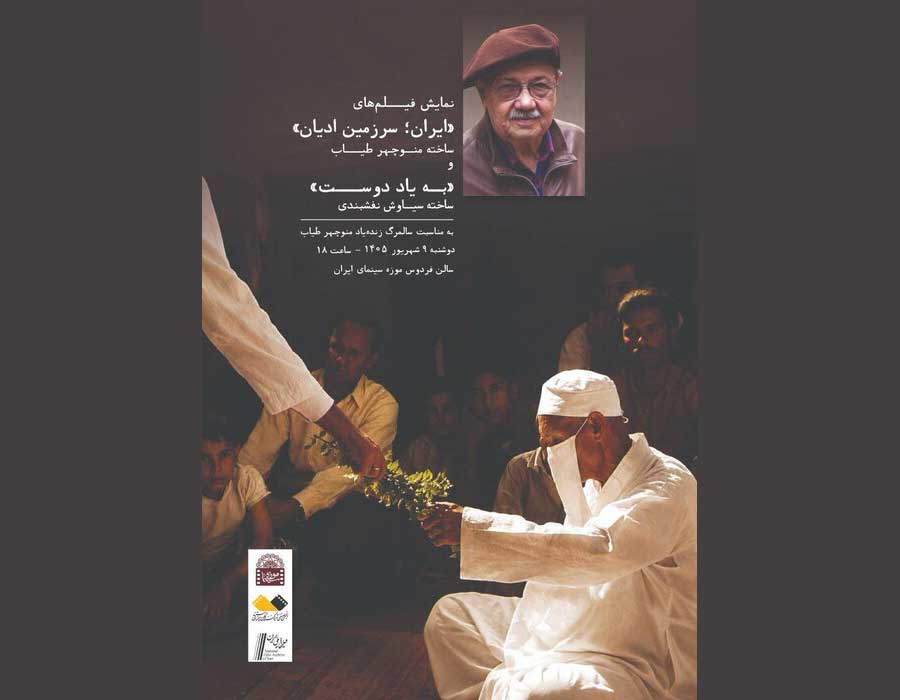
به گزارش فرانما، نسخه اصلاح و مرمتشده مستند «ایران سرزمین ادیان» ساخته منوچهر طیاب، بیش از نیم قرن پس از تولید، بار دیگر روی پرده میرود؛ نمایشی که این بار با «بهیاد دوست» ساخته سیاوش نقشبندی همراه شده تا پنجاهویکمین شب مستند موزه سینمای ایران به مرور یک اثر و یاد سازنده آن تبدیل شود.
این دو فیلم دوشنبه ۹ شهریور ۱۴۰۵ ساعت ۱۸ در سالن فردوس موزه سینمای ایران نمایش داده میشوند.
«ایران سرزمین ادیان» محصول سال ۱۳۴۹ است و نسخهای که در این برنامه روی پرده خواهد رفت، توسط فیلمخانه ملی ایران اصلاح و مرمت شده است.
پس از نمایش نیز اسعد نقشبندی، عکاس پیشکسوت، و ارسطو مداحی گیوی، فیلمبردار شماری از آثار متأخر طیاب، درباره فیلمها و تجربه همکاری با این مستندساز گفتوگو خواهند کرد.
حضور در برنامه برای عموم علاقهمندان آزاد و رایگان است.
ایران از دریچه چهار دین
«ایران سرزمین ادیان» به مناسک و زندگی پیروان ادیان و مذاهب مختلف در ایران میپردازد.
دوربین طیاب در این مستند به سراغ فضاهای مذهبی و آیینهای مسلمانان، مسیحیان، زرتشتیان و یهودیان میرود و تصویری از حضور همزمان این سنتهای دینی در جغرافیای ایران ارائه میکند.
مسجد، کلیسا، آتشکده و کنیسه در فیلم نه فقط مکانهایی مذهبی، بلکه اجزای یک چشمانداز فرهنگی هستند.
طیاب تلاش کرده است به جای توضیح مستقیم و پرحجم، بخش مهمی از روایت را به تصویر، حرکت دوربین و خود آیینها واگذار کند.
همین رویکرد باعث شده «ایران سرزمین ادیان» امروز علاوه بر ارزش سینمایی، به سندی تصویری از بخشی از مناسک مذهبی ایران در بیش از نیم قرن قبل تبدیل شود.
فیلمی از دوران طلایی مستند ایران
منوچهر طیاب «ایران سرزمین ادیان» را در دورهای ساخت که مستندسازی فرهنگی و مردمنگارانه در ایران در حال تجربه فرمهای تازه بود.
او پس از تحصیل سینما و معماری در وین، به ایران بازگشت و از اوایل دهه ۱۳۴۰ فعالیت مستمر خود را در مستندسازی آغاز کرد.
طیاب برخلاف فیلمسازی که تنها به یک موضوع مشخص محدود باشد، دوربینش را به نقاط مختلف ایران برد.
معماری، تاریخ، آیینها، موسیقی، کویر، خلیج فارس و میراث فرهنگی از موضوعات تکرارشونده در آثار او بودند.
در مرکز بخش بزرگی از این فیلمها یک دغدغه مشترک قرار داشت: ثبت ایران پیش از آنکه بخشی از چهره آن در مسیر تغییرات اجتماعی و تاریخی از دست برود.
مستندسازی بدون فاصله
یکی از ویژگیهای «ایران سرزمین ادیان» شیوه نزدیکشدن دوربین به مناسک است.
فیلم به جای آنکه مخاطب را تنها از بیرون با آیینهای مذهبی آشنا کند، او را تا حد امکان به فضای اجرای آنها نزدیک میکند.
در نتیجه، حرکت بدنها، معماری مکانهای مذهبی، رنگ لباسها و ریتم مراسم خود به عناصر روایی تبدیل میشوند.
پژوهشهای تاریخ سینمای ایران نیز این فیلم را یکی از نمونههای قابل توجه مستندهای مردمنگارانه آن دوره دانستهاند؛ اثری که بدون اتکای سنگین به گفتار متن، تصویر را به ابزار اصلی شناخت تبدیل میکند.
«بهیاد دوست»؛ طیاب از پشت دوربین
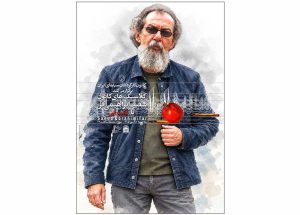
دومین فیلم برنامه، «بهیاد دوست» ساخته سیاوش نقشبندی است.
این مستند به جای پرداختن به یکی از موضوعات مورد علاقه طیاب، خود این فیلمساز و شیوه کار او را در مرکز قرار میدهد.
نقشبندی سالهای طولانی در پروژههای مختلف در کنار طیاب و گروه او حضور داشته است. «بهیاد دوست» نیز از همین نزدیکی برای ساختن تصویری شخصیتر از این مستندساز استفاده میکند.
فیلم به شیوه کار طیاب پشت دوربین، سفرهای متعدد، پژوهش پیش از تولید و گنجینه گسترده آثارش میپردازد.
به این ترتیب، نمایش دو مستند در کنار یکدیگر ساختاری دوگانه ایجاد میکند: نخست تماشای جهان از دریچه دوربین طیاب و سپس تماشای خود طیاب از پشت همان دوربین.
مستندسازی که ایران موضوع اصلیاش بود
منوچهر طیاب در سال ۱۳۱۶ در تهران متولد شد.
او در اتریش معماری و سینما خواند و پس از بازگشت به ایران، فعالیت حرفهای خود را در حوزه مستند آغاز کرد.
«ریتم»، «مسجد جامع اصفهان»، «دریای پارس»، «اصفهان؛ هندسهای بر مقیاس انسانی»، «همراه باد در دل تنهایی کویر»، «زاگرس، گاهواره تمدنی کهن» و «البرز» از جمله آثار شناختهشده او هستند.
طیاب در طول چند دهه فیلمسازی، بخش بزرگی از ایران را با دوربین خود پیمود.
از بناهای تاریخی تا مناطق کویری و از مناسک مذهبی تا جغرافیای خلیج فارس، ایران تقریباً همیشه شخصیت اصلی مستندهای او باقی ماند.
او چهارم شهریور ۱۳۹۹ در وین درگذشت.
پشت صحنه سالهای پایانی طیاب
اسعد نقشبندی از افرادی بود که سالها در سفرها و پروژههای مختلف با طیاب همکاری داشت.
این همکاری از دهه ۱۳۷۰ آغاز شد و در بسیاری از پروژههای متأخر این مستندساز ادامه پیدا کرد.
ارسطو مداحی گیوی نیز بهعنوان فیلمبردار در شماری از آثار متأخر طیاب حضور داشت.
حضور این دو نفر در نشست پس از نمایش میتواند بخشی از فرآیند کاری طیاب را روشن کند؛ از پژوهش و انتخاب لوکیشن تا نوع نگاه او به تصویر و شیوه ثبت جغرافیا و فرهنگ ایران.
مرمت؛ بازگرداندن حافظه سینمای مستند
نمایش «ایران سرزمین ادیان» تنها یک برنامه مرور آثار نیست.
این بار مخاطبان نسخهای را خواهند دید که فیلمخانه ملی ایران آن را اصلاح و مرمت کرده است.
مرمت آثار مستند قدیمی اهمیت مضاعفی دارد؛ زیرا بسیاری از آنها علاوه بر ارزش هنری، اسناد تصویری دورهای هستند که ممکن است بخشی از مکانها، آیینها یا شیوه زندگی ثبتشده در آنها امروز تغییر کرده باشد.
از این منظر، نگهداری و بازگرداندن این فیلمها تنها حفاظت از یک اثر سینمایی نیست؛ بلکه حفاظت از بخشی از حافظه تصویری ایران است.
پنجاهویکمین «شب مستند»
نمایش دو فیلم در قالب پنجاهویکمین نشست «شبهای مستند» موزه سینمای ایران برگزار میشود.
این برنامه با همکاری انجمن صنفی تهیهکنندگان سینمای مستند و همراهی فیلمخانه ملی ایران شکل گرفته است.
«ایران سرزمین ادیان» و «بهیاد دوست» دوشنبه ۹ شهریور، ساعت ۱۸ در سالن سینما فردوس موزه سینمای ایران روی پرده خواهند رفت.
پس از نمایش، اسعد نقشبندی و ارسطو مداحی گیوی درباره آثار و تجربه همکاری با منوچهر طیاب سخن میگویند.
ورود و تماشای هر دو فیلم برای عموم رایگان است.
.
Restored “Iran, the Land of Religions” Brings Manouchehr Tayyab Back to the Screen
Faranema reports that a restored version of Manouchehr Tayyab’s documentary “Iran, the Land of Religions” will return to the big screen more than half a century after it was made. The screening will be paired with Siavash Naghshbandi’s “Be Yad-e Doost,” turning the 51st Documentary Night at the Cinema Museum of Iran into both a rediscovery of Tayyab’s work and a tribute to the filmmaker himself.
The films will be screened on Monday, August 31, 2026, at 6 p.m. at the Ferdows Cinema Hall of the Cinema Museum of Iran.
“Iran, the Land of Religions” was produced around 1970–1971, and the version presented at the event has been restored and corrected by the National Film Archive of Iran.
Following the screenings, veteran photographer Asad Naghshbandi and cinematographer Arastoo Maddahi Givi, who worked on some of Tayyab’s later projects, will discuss the films and their experiences working with him.
Admission is free and open to the public.
Iran Through Four Religious Traditions
“Iran, the Land of Religions” examines the rituals and religious life of different communities in Iran.
Tayyab’s camera observes Muslim, Christian, Zoroastrian and Jewish ceremonies and spaces, presenting their simultaneous presence within Iran’s cultural landscape.
Mosques, churches, fire temples and synagogues function not simply as religious buildings but as parts of a wider visual portrait of Iranian society.
Rather than relying heavily on explanatory narration, Tayyab allows images, camera movement and ritual itself to carry much of the meaning.
More than five decades later, this approach also gives the film archival value as a visual record of religious practices and communities in Iran during that period.
A Film From a Formative Period in Iranian Documentary Cinema
Manouchehr Tayyab made the film during an important period for Iranian cultural and ethnographic documentary filmmaking.
After studying architecture and cinema in Vienna, he returned to Iran and began working professionally as a documentary filmmaker in the early 1960s.
His subjects ranged widely.
Architecture, history, ritual, music, desert landscapes, the Persian Gulf and Iran’s cultural heritage repeatedly appeared throughout his career.
At the center of much of his work was a recurring concern: documenting Iran’s cultural and geographical identity through cinema.
Bringing the Camera Closer to Ritual
One of the striking qualities of “Iran, the Land of Religions” is the camera’s proximity to religious ceremonies.
Rather than simply describing rituals from a distance, the film brings viewers closer to their physical and visual experience.
Movement, architecture, clothing and the rhythm of ceremonies become essential elements of the documentary.
Film scholarship has consequently identified the work as a notable example of Iranian ethnographic documentary cinema in which the image itself becomes the primary instrument of observation.
“Be Yad-e Doost”: Looking Back at Tayyab
The second film in the program is Siavash Naghshbandi’s “Be Yad-e Doost.”
Instead of documenting one of Tayyab’s subjects, the film turns its attention to the filmmaker himself.
Naghshbandi spent years in close contact with Tayyab and his collaborators.
The documentary draws on that proximity to explore Tayyab’s working methods, his life behind the camera, his research process, journeys across Iran and his extensive body of films.
Screening the two works together creates an unusual dialogue.
The audience first sees Iran through Tayyab’s camera and then turns around to observe Tayyab himself behind that camera.
A Filmmaker Whose Central Subject Was Iran
Manouchehr Tayyab was born in Tehran in 1937.
He studied architecture and filmmaking in Austria before returning to Iran and beginning a long career in documentary cinema.
His films include “Rhythm,” “The Jameh Mosque of Isfahan,” “The Persian Sea,” “Isfahan: Geometry on a Human Scale,” “Along With the Wind in the Solitude of the Desert,” “Zagros, Cradle of an Ancient Civilization” and “Alborz.”
Over several decades, Tayyab traveled extensively across the country with his camera.
From historical architecture to deserts, religious rituals and the Persian Gulf, Iran remained the central character of much of his cinema.
Tayyab died in Vienna on August 25, 2020.
Restoring the Memory of Documentary Cinema
The screening also draws attention to film preservation.
The National Film Archive of Iran has restored and corrected the version of “Iran, the Land of Religions” that will be screened.
Preserving older documentaries carries particular importance because many are not merely films but visual historical documents.
Locations, ceremonies and patterns of life captured decades ago may have since changed significantly.
Restoring such works therefore protects not only cinematic heritage, but part of Iran’s visual memory.
The 51st Documentary Night
The screenings are part of the 51st Documentary Night at the Cinema Museum of Iran.
The program is organized in cooperation with the Iranian Documentary Film Producers Association and the National Film Archive of Iran.
“Iran, the Land of Religions” and “Be Yad-e Doost” will screen on Monday, August 31, at 6 p.m.
A discussion with Asad Naghshbandi and Arastoo Maddahi Givi will follow.
Admission to the screenings and discussion is free.