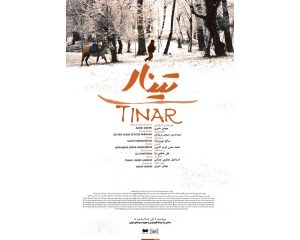

به گزارش فرانما، نسخه اصلاح و مرمتشده «زیر درختان زیتون» ساخته عباس کیارستمی، بیش از سه دهه پس از نخستین نمایش جهانی خود، بار دیگر روی پرده میرود. این فیلم سهشنبه ۱۰ شهریور در موزه سینمای ایران نمایش داده میشود و پس از آن سعید قطبیزاده به نقد و بررسی اثر خواهد پرداخت.
این نمایش در ادامه برنامه «کلاسیکهای کانون» برگزار میشود؛ مجموعهای که کانون کارگردانان سینمای ایران با همراهی موزه سینمای ایران برای بازخوانی آثار مهم تاریخ سینمای ایران تدارک دیده است.
ورود به این برنامه برای عموم آزاد اعلام شده است.
بازگشت یکی از مهمترین فیلمهای کیارستمی
«زیر درختان زیتون» در سال ۱۹۹۴ ساخته شد و یکی از مهمترین آثار دورهای است که جایگاه عباس کیارستمی را در سینمای جهان تثبیت کرد.
فیلم در همان سال به بخش مسابقه اصلی جشنواره کن راه یافت و برای نخل طلا رقابت کرد.
این اثر بعدها جوایزی از جمله خوشه طلایی جشنواره وایادولید و هوگوی نقرهای جشنواره فیلم شیکاگو را نیز به دست آورد.
با این حال، اهمیت «زیر درختان زیتون» تنها به حضور جشنوارهای آن محدود نمیشود. فیلم نمونهای شاخص از شیوه کیارستمی در محوکردن مرز میان واقعیت و داستان، بازیگر و شخصیت و سینما و زندگی روزمره است.
قصهای پشت صحنه یک فیلم
داستان «زیر درختان زیتون» در جریان ساخت فیلمی در یکی از روستاهای شمال ایران شکل میگیرد.
حسین، جوانی که برای بازی در فیلم انتخاب شده، در زندگی واقعی به طاهره علاقه دارد. با این حال، طاهره حاضر نیست به خواستگاری او پاسخ مثبت بدهد.
ماجرا زمانی پیچیدهتر میشود که این دو باید مقابل دوربین نقش زن و شوهری جوان را بازی کنند.
کیارستمی از همین موقعیت ساده، رابطه میان زندگی واقعی و اجرای سینمایی را به موضوع اصلی فیلم تبدیل میکند. هر بار که دوربین فیلم درون فیلم شروع به کار میکند، مرز میان آنچه «واقعاً» اتفاق افتاده و آنچه برای سینما ساخته شده، کمرنگتر میشود.
حلقه آخر سهگانه کوکر
«زیر درختان زیتون» معمولاً سومین و آخرین بخش مجموعهای شناخته میشود که با عنوان سهگانه کوکر شهرت یافته است.
این مسیر با «خانه دوست کجاست؟» آغاز شد. کیارستمی پس از زلزله ویرانگر رودبار و منجیل، برای یافتن بازیگران کودک آن فیلم دوباره به منطقه رفت.
این سفر زمینه ساخت «زندگی و دیگر هیچ» را فراهم کرد.
سپس یکی از موقعیتهای فرعی همان فیلم، ایده ساخت «زیر درختان زیتون» را به وجود آورد.
به این ترتیب، هر فیلم از دل فیلم قبلی بیرون آمد. واقعیت به فیلم تبدیل شد و فیلم دوباره به ماده خام اثری دیگر بدل شد.
همین ساختار تو در تو، سهگانه کوکر را به یکی از تجربههای شاخص کیارستمی درباره ماهیت سینما و رابطه آن با واقعیت تبدیل کرد.
فیلمی که از پشت دوربین عبور میکند
در «زیر درختان زیتون»، محمدعلی کشاورز نقش کارگردانی را بازی میکند که مشغول ساخت فیلم است.
حسین رضایی، فرهاد خردمند و ظریفه شیوا نیز از دیگر بازیگران اثر هستند.
اما کیارستمی برخلاف ساختار متعارف فیلمهای پشت صحنه، صرفاً روند تولید یک فیلم را نمایش نمیدهد.
او مدام جای مخاطب را تغییر میدهد. گاهی تماشاگر شاهد یک فیلم است، چند لحظه بعد پشت صحنه همان فیلم را میبیند و سپس وارد زندگی واقعی بازیگران میشود.
آنچه ابتدا داستانی درباره ساخت یک فیلم به نظر میرسد، کمکم به روایتی درباره عشق، طبقه اجتماعی، امید و امکان تغییر زندگی تبدیل میشود.
پایانبندیای که هنوز دربارهاش حرف میزنند
یکی از مشهورترین بخشهای «زیر درختان زیتون»، نمای پایانی طولانی آن است.
حسین در فاصلهای دور، طاهره را در میان طبیعت دنبال میکند. دوربین ثابت میماند و شخصیتها هر لحظه کوچکتر میشوند.
کیارستمی پاسخ طاهره را مستقیماً به مخاطب نشان نمیدهد.
همین پایان باز طی سالهای گذشته به یکی از صحنههای شناختهشده سینمای کیارستمی تبدیل شده است؛ پایانی که تماشاگر را مجبور میکند خودش روایت را کامل کند.
این شیوه در بسیاری از آثار کیارستمی دیده میشود. او به جای توضیح کامل داستان، بخشی از معنا را به تخیل مخاطب واگذار میکند.
از کن ۱۹۹۴ تا موزه سینما
«زیر درختان زیتون» در جشنواره کن ۱۹۹۴ در بخش مسابقه اصلی نمایش داده شد.
این حضور چند سال پیش از آن بود که کیارستمی با «طعم گیلاس» نخل طلای کن را به دست آورد.
موفقیت بینالمللی فیلمهای سهگانه کوکر، بهویژه «زندگی و دیگر هیچ» و «زیر درختان زیتون»، نقش مهمی در معرفی گستردهتر سینمای کیارستمی به مخاطبان جهان داشت.
در سالهای بعد نیز نسخههای مرمتشده این سه فیلم در برنامههای مرور آثار کیارستمی و مجموعههای سینمایی معتبر جهان به نمایش درآمدند.
از سهگانه کوکر نسخه دیجیتال مرمتشدهای نیز تهیه شده که بر پایه اسکن نگاتیوهای اصلی ۳۵ میلیمتری شکل گرفته است.
با این حال، برگزارکنندگان برنامه موزه سینما جزئیات فنی نسخهای را که در تهران نمایش داده خواهد شد، اعلام نکردهاند.
سعید قطبیزاده «زیر درختان زیتون» را نقد میکند
پس از نمایش فیلم، سعید قطبیزاده منتقد و مدرس سینما درباره اثر صحبت خواهد کرد.
محور این نشست، بررسی شیوه روایت، نگاه سینمایی کیارستمی و جایگاه «زیر درختان زیتون» در کارنامه این فیلمساز اعلام شده است.
این برنامه در ادامه مجموعه «کلاسیکهای کانون» برگزار میشود؛ طرحی که به مرور دوباره فیلمهای مهم کارگردانان ایرانی اختصاص دارد.
پوستر این دوره را نیز بهزاد خورشیدی طراحی کرده است.
نمایش نسخه مرمتشده «زیر درختان زیتون» روز سهشنبه ۱۰ شهریور ۱۴۰۵ در موزه سینمای ایران برگزار میشود و حضور علاقهمندان در برنامه آزاد است.
.
“Through the Olive Trees” Returns to the Big Screen
Faranema reports that a restored and corrected version of Abbas Kiarostami’s “Through the Olive Trees” will return to the big screen more than three decades after its original release. The film will be screened at the Cinema Museum of Iran on Tuesday, September 1, 2026, followed by a discussion led by film critic Saeed Ghotbizadeh.
The screening is part of “Kanoon Classics,” a program organized by the Iranian Directors Guild in cooperation with the Cinema Museum of Iran to revisit significant works in Iranian film history.
Admission to the event is free and open to the public.
The Return of a Major Kiarostami Film
“Through the Olive Trees” was made in 1994 and belongs to a period that firmly established Abbas Kiarostami as one of the major figures of world cinema.
The film competed at the 1994 Cannes Film Festival, where it screened in the main competition.
It later received international honors including the Golden Spike at the Valladolid International Film Festival and the Silver Hugo at the Chicago International Film Festival.
Its significance, however, extends far beyond its festival history.
The film is one of the clearest examples of Kiarostami’s fascination with the unstable border between reality and fiction, actors and characters, and cinema and everyday life.
A Story Behind the Making of a Film
“Through the Olive Trees” unfolds during the shooting of a film in a village in northern Iran.
Hossein, a young man cast in the production, is in love with Tahereh in real life. She has repeatedly rejected his attempts to marry her.
The situation becomes more complicated when the two are cast as a newly married couple in the film being shot.
Kiarostami uses this simple premise to turn the relationship between real life and cinematic performance into the central question of the film.
Each time the fictional film begins shooting, the distinction between what belongs to the movie and what belongs to the actors’ lives becomes increasingly unstable.
The Final Chapter of the Koker Trilogy
“Through the Olive Trees” is generally regarded as the final installment of what became known internationally as The Koker Trilogy.
The cycle began with “Where Is the Friend’s House?”
After the devastating earthquake in northern Iran, Kiarostami returned to the region to discover what had happened to the children who appeared in that film.
The journey inspired “And Life Goes On.”
A small dramatic situation that emerged during the making of that film then became the foundation for “Through the Olive Trees.”
Each film therefore grows out of the previous one.
Reality becomes cinema, and cinema becomes the raw material for another film.
This layered structure turned the Koker films into one of Kiarostami’s most important explorations of cinema’s relationship with reality.
Cinema Beyond the Camera
Mohammad Ali Keshavarz appears as a filmmaker directing a production within the film.
Hossein Rezai, Farhad Kheradmand and Zarifeh Shiva are also among the principal cast members.
Kiarostami, however, does not treat the story as a conventional behind-the-scenes narrative.
The viewer’s position constantly changes.
At one moment, the audience watches a film being performed. Moments later, the production stops and the lives of the performers take over.
What first looks like a story about filmmaking gradually becomes a film about love, social class, hope and the possibility of changing one’s life.
A Final Shot That Still Inspires Debate
One of the most celebrated elements of “Through the Olive Trees” is its extended final shot.
Hossein follows Tahereh across the landscape while the camera remains at a great distance.
The characters become increasingly small within the natural environment.
Kiarostami never clearly reveals Tahereh’s final response to Hossein.
The ambiguity has become one of the defining moments of Kiarostami’s cinema, forcing viewers to complete the story for themselves.
This refusal to explain everything would become one of the director’s most recognizable artistic strategies.
From Cannes 1994 to the Cinema Museum
“Through the Olive Trees” screened in competition at Cannes in 1994.
Its international reception came several years before Kiarostami won the Palme d’Or for “Taste of Cherry” in 1997.
The Koker films played an important role in introducing Kiarostami’s cinema to wider international audiences.
Restored versions of the films have since been shown in retrospectives and cinematheques around the world.
A digital restoration of the Koker Trilogy was produced from scans of the original 35mm camera negatives.
However, the organizers of the Tehran screening have not specified the exact technical source or restoration master that will be used at the Cinema Museum.
Saeed Ghotbizadeh to Discuss the Film
Following the screening, Saeed Ghotbizadeh will analyze the film.
The program poster was designed by Behzad Khorshidi.
The restored screening of “Through the Olive Trees” will take place on Tuesday, September 1, 2026, at the Cinema Museum of Iran, with admission open to the public.