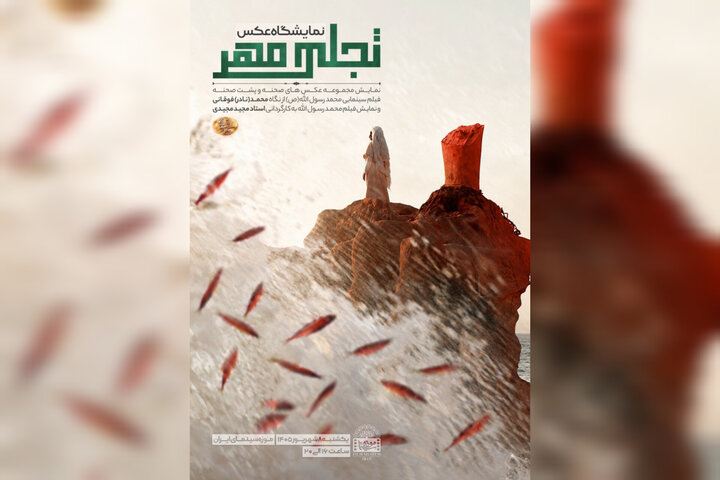
به گزارش فرانما، همزمان با ولادت حضرت محمد مصطفی(ص)، بخشی از جهان پشت دوربین فیلم «محمد رسولالله(ص)» ساخته مجید مجیدی در قالب نمایشگاه عکس «تجلی مهر» به موزه سینمای ایران میآید؛ نمایشگاهی از عکسهای صحنه و پشت صحنه محمد فوقانی که در روز افتتاح، با نمایش دوباره خود فیلم همراه خواهد شد.
آیین افتتاح «تجلی مهر» روز یکشنبه ۸ شهریور ۱۴۰۵، از ساعت ۱۶ تا ۲۰ در موزه سینمای ایران برگزار میشود.
مجموعه عکسهای این نمایشگاه را محمد فوقانی (نادر) ثبت کرده است؛ تصاویری که مراحل مختلف تولید یکی از بزرگترین پروژههای تاریخی سینمای ایران را از پشت دوربین روایت میکنند.
در کنار افتتاح نمایشگاه، فیلم «محمد رسولالله(ص)» به کارگردانی مجید مجیدی نیز برای مخاطبان به نمایش درمیآید.
حضور در نمایشگاه و تماشای فیلم آزاد و رایگان اعلام شده است. نمایشگاه «تجلی مهر» نیز تا ۱۲ شهریور ادامه خواهد داشت.
وقتی دوربین از پشت صحنه روایت میکند
«تجلی مهر» تنها مجموعهای از عکسهای تبلیغاتی فیلم نیست.
تصاویر محمد فوقانی بخشی از فرآیند شکلگیری جهانی را ثبت کردهاند که برای بازسازی مکه، مدینه و فضای تاریخی قرن ششم میلادی، به طراحی گسترده دکور، لباس و صحنه نیاز داشت.
در چنین پروژهای، عکس پشت صحنه میتواند چیزی فراتر از ثبت یک لحظه باشد. این تصاویر امکان مشاهده نسبت بازیگران با دکورها، مقیاس تولید، طراحی صحنه، نورپردازی و فضای کاری گروه سازنده را فراهم میکنند.
به همین دلیل، نمایشگاه میتواند برای مخاطبانی که سالها پیش نسخه نهایی فیلم را دیدهاند، فرصتی باشد تا این بار فیلم را از زاویه شکلگیری تصاویر آن ببینند.
یکی از بزرگترین پروژههای سینمای ایران
«محمد رسولالله(ص)» در سال ۲۰۱۵ به نمایش عمومی رسید و یکی از بلندپروازانهترین تولیدات سینمای ایران در دهههای اخیر بود.
مجید مجیدی برای ساخت فیلم چند سال درگیر پژوهش، طراحی و تولید بود. بخش مهمی از پروژه به بازسازی فضاهای تاریخی مربوط میشد.
داستان فیلم بر سالهای کودکی حضرت محمد(ص) تمرکز دارد. روایت از حوادث پیش از تولد پیامبر و واقعه اصحاب فیل آغاز میشود و سالهای نخست زندگی ایشان را دنبال میکند.
سازندگان فیلم تلاش کردند بدون نمایش مستقیم چهره پیامبر اسلام(ص)، روایت را از طریق اطرافیان، خانواده و زاویه دید شخصیت اصلی پیش ببرند.
همین مسئله، طراحی بصری فیلم را به یکی از عناصر مهم روایت تبدیل کرد.
استورارو پشت دوربین
یکی از مهمترین عوامل بینالمللی «محمد رسولالله(ص)»، ویتوریو استورارو (Vittorio Storaro)، فیلمبردار سرشناس ایتالیایی بود.
استورارو که سه جایزه اسکار فیلمبرداری در کارنامه دارد، پیش از همکاری با مجیدی فیلمهایی چون «اینک آخرالزمان»، «آخرین امپراتور» و «سرخها» را فیلمبرداری کرده بود.
حضور او باعث شد رنگ، نور و مقیاس قابها در «محمد رسولالله» نقش پررنگی داشته باشند.
بخش مهمی از جلوه بصری فیلم نیز بر استفاده از نور طبیعی، رنگهای گرم و طراحی صحنههای وسیع استوار بود.
در چنین شرایطی، عکسهای پشت صحنه محمد فوقانی میتوانند نمای دیگری از فرآیند ساخت همان تصاویر نهایی را در برابر مخاطب قرار دهند.
موسیقی با امضای ای.آر. رحمان
موسیقی فیلم را ای.آر. رحمان (A.R. Rahman)، آهنگساز هندی و برنده جایزه اسکار، ساخته است.
همکاری مجیدی با رحمان و استورارو نشان میداد که پروژه از ابتدا با هدف تولید اثری در مقیاس بینالمللی شکل گرفته بود.
برای تولید فیلم، گروهی گسترده از عوامل ایرانی و خارجی در بخشهای مختلف طراحی صحنه، فیلمبرداری، موسیقی و جلوههای فنی همکاری کردند.
علیرضا شجاعنوری، مهدی پاکدل، مینا ساداتی، محسن تنابنده، ساره بیات، داریوش فرهنگ و رعنا آزادیور از جمله بازیگران فیلم هستند.
از ایران تا مونترال
«محمد رسولالله(ص)» در سال ۲۰۱۵ در سطح بینالمللی نیز نمایش داده شد.
فیلم در جشنواره جهانی فیلم مونترال حضور پیدا کرد و پس از آن در کشورهای مختلف به نمایش درآمد.
این اثر همچنین بهعنوان نماینده سینمای ایران برای رقابت بهترین فیلم خارجیزبان اسکار هشتادوهشتم معرفی شد، هرچند در نهایت به فهرست نامزدهای نهایی راه پیدا نکرد.
فیلم در همان دوره به دلیل ابعاد تولید، گروه بینالمللی عوامل و موضوع مذهبی خود با توجه گسترده رسانههای داخلی و خارجی روبهرو شد.
دوربین محمد فوقانی چه دیده است؟
محمد فوقانی از جمله عکاسانی است که در جریان ساخت فیلم حضور داشته و تصاویر او از مراحل مختلف تولید باقی مانده است.
بخشی از اهمیت چنین عکسهایی به این بازمیگردد که بسیاری از عناصر حاضر در آنها در نسخه نهایی فیلم دیده نمیشوند.
دوربین پشت صحنه میتواند نورافزارها، گروه فنی، آمادهسازی بازیگران، دکورها پیش از فیلمبرداری و تعامل کارگردان با عوامل را ثبت کند.
بنابراین «تجلی مهر» را میتوان نوعی روایت موازی از «محمد رسولالله» دانست؛ روایتی که نه داستان فیلم، بلکه چگونگی ساختهشدن آن را دنبال میکند.
بازگشت فیلم به موزه سینما
نمایش دوباره «محمد رسولالله(ص)» در کنار این عکسها باعث شده برنامه تنها یک نمایشگاه عکاسی نباشد.
تماشاگر ابتدا میتواند با جهان پشت صحنه فیلم روبهرو شود و سپس همان دکورها، نورها و طراحیها را در شکل نهایی سینمایی آنها ببیند.
این ترکیب، فرصتی برای مقایسه تصویر پشت دوربین و تصویر نهایی روی پرده فراهم میکند.
آیین افتتاح نمایشگاه «تجلی مهر» و نمایش فیلم از ساعت ۱۶ تا ۲۰ روز یکشنبه ۸ شهریور در موزه سینمای ایران برگزار میشود.
نمایشگاه تا ۱۲ شهریور ۱۴۰۵ ادامه خواهد داشت و حضور در نمایشگاه و نمایش فیلم برای مخاطبان رایگان است.
.
Behind the Scenes of “Muhammad: The Messenger of God” at the Cinema Museum
Faranema reports that, on the occasion of the birth anniversary of Prophet Muhammad, a selection of behind-the-scenes and production photographs from Majid Majidi’s epic film “Muhammad: The Messenger of God” will go on display at the Cinema Museum of Iran as part of an exhibition titled “Tajalli-ye Mehr.”
The exhibition features photographs by Mohammad Foghani (Nader) documenting different stages in the production of one of the largest historical film projects ever undertaken in Iranian cinema.
The exhibition will open on Sunday, August 30, 2026, from 4 p.m. to 8 p.m.
Majid Majidi’s film will also be screened during the opening program.
Admission to both the exhibition and the film screening is free and open to the public.
The photography exhibition will remain open through September 3, 2026.
Looking at the Film From Behind the Camera
“Tajalli-ye Mehr” is more than a collection of promotional stills.
Foghani’s photographs document the process of building the visual world created for the film, including its large-scale sets, costumes and historical environments.
For a production of this size, behind-the-scenes photography offers a different perspective on the finished film.
The images allow viewers to observe the relationship between performers and sets, the scale of the production, lighting, art direction and the filmmaking crew at work.
For audiences who have already seen the finished film, the exhibition offers an opportunity to revisit it from the perspective of how its images were constructed.
One of Iranian Cinema’s Largest Productions
“Muhammad: The Messenger of God” was released in 2015 and remains one of the most ambitious productions in modern Iranian cinema.
Majid Majidi spent several years developing and producing the project.
A significant part of the production involved constructing large historical sets representing environments associated with Mecca and the Arabian Peninsula in the sixth century.
The film focuses on the childhood and early years of Prophet Muhammad.
Its story begins around the events associated with the Year of the Elephant and follows the Prophet’s early life.
The filmmakers chose not to show the Prophet’s face directly, relying instead on surrounding characters, point of view and visual storytelling.
That decision made cinematography and visual design particularly important to the film’s narrative approach.
Vittorio Storaro Behind the Camera
One of the most prominent international artists involved in the project was legendary Italian cinematographer Vittorio Storaro.
Storaro, a three-time Academy Award winner, is known for films including “Apocalypse Now,” “Reds” and “The Last Emperor.”
His work on “Muhammad: The Messenger of God” gave light, color and visual scale a central role in the film.
Natural light, warm tones and expansive production design became defining elements of the finished images.
The photographs included in the exhibition offer another perspective on the process behind those compositions.
Music by A.R. Rahman
The film’s score was composed by A.R. Rahman, the Oscar-winning Indian composer.
Majidi’s collaboration with Rahman and Storaro reflected the international scale of the project.
A large group of Iranian and international artists worked across cinematography, production design, music, costume and technical departments.
The cast includes Alireza Shoja-Nouri, Mehdi Pakdel, Mina Sadati, Mohsen Tanabandeh, Sareh Bayat, Dariush Farhang and Rana Azadivar.
From Iran to Montreal
“Muhammad: The Messenger of God” also received international exposure in 2015.
The film had a major presentation at the Montreal World Film Festival and was later screened in several international markets and festivals.
Iran also selected the film as its official submission for the 88th Academy Awards’ Best Foreign Language Film category, although it did not reach the final nomination stage.
Its scale, international crew and religious subject generated substantial attention both inside and outside Iran.
What Did Mohammad Foghani’s Camera See?
Mohammad Foghani documented the production while the film was being made.
The value of such photography lies partly in what does not appear in the final movie.
Behind-the-scenes images can reveal lighting equipment, technical crews, actors preparing for scenes, unfinished sets and interactions between the director and production team.
“Tajalli-ye Mehr” can therefore be viewed as a parallel account of “Muhammad: The Messenger of God.”
Rather than retelling the film’s story, it tells the story of how the film itself was created.
The Film Returns to the Cinema Museum
Screening “Muhammad: The Messenger of God” alongside the exhibition gives the event an additional dimension.
Audiences will be able to examine the film’s production process through still photography and then see the same visual elements transformed into finished cinematic images.
The event therefore creates a direct comparison between the image behind the camera and the image projected on the screen.
The exhibition opens on Sunday, August 30, 2026, between 4 p.m. and 8 p.m. at the Cinema Museum of Iran.
It will remain on display through September 3, with free admission for visitors.