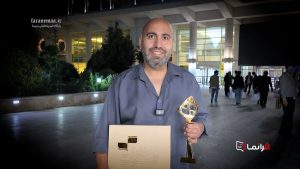
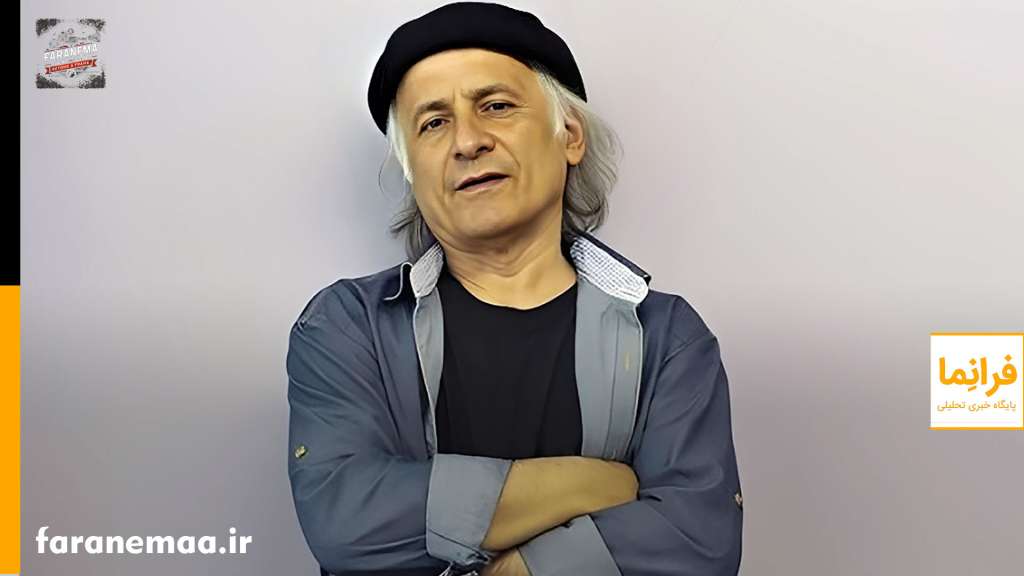
به گزارش فرانما، خسرو معصومی، فیلمنامهنویس و کارگردان سینمای ایران، در گفتوگویی مفصل به نقد وضعیت امروز سینمای ایران پرداخت و از روندی که آن را «مزخرفسازی و زبالهسازی» مینامد، انتقاد کرد. او معتقد است سینمای اجتماعی که در دهههای ۶۰ تا ۸۰ با تلاش فراوان توانست جایگاهی جهانی پیدا کند، امروز جای خود را به فیلمهای سطحی و کمدیهای صرفاً سرگرمکننده داده است.
جسارت فیلم کوتاهها در برابر سانسور
معصومی با اشاره به تجربهی تماشای فیلمهای کوتاه در خانه هنرمندان گفت: «بچههای فیلم کوتاه چون در محدودهی خاصی کار میکنند، کمتر گرفتار سانسور میشوند و راحتتر حرفشان را میزنند. همین جسارت باعث میشود آثارشان واقعیتر و باورپذیرتر باشد.» او انتخاب نامهای خلاقانه برای این فیلمها را نشانهای از آزادی و جسارت نسل جدید دانست.
ابتذال در سینمای بلند
او با انتقاد از وضعیت فعلی سینمای بلند افزود: «سینما رفت به سمت ابتذال محض. فیلمهایی ساخته میشوند که فقط برای خنداندن تماشاگرند. میگویند این باعث میشود چراغ سینما روشن بماند، اما این مزخرفات سینما را از مسیر اصلیاش دور کرده است.»
فشار مدیران و خودسانسوری
معصومی تأکید کرد که مدیران سینمایی اغلب از ساخت فیلمهای اجتماعی پرهیز میکنند: «مدیران دنبال دردسر نیستند. فیلمی که حرفی برای گفتن دارد، دردسرساز میشود. همین ترس باعث میشود سینما از مسیر اجتماعی دور شود و به سمت ابتذال برود.» او افزود که این شرایط فیلمسازان را به خودسانسوری وادار کرده است: «وزارت ارشاد ما را مجبور کرده که خودمان سانسور کنیم. یاد گرفتهایم چطور دور بزنیم، اما این دور زدن هم بخشی از مشکل است.»
تجربه شخصی و فاصلهگیری
او دربارهی تجربهی شخصی خود گفت: «بهتر دیدم اصلاً کار نکنم و خودم را بازنشسته کنم. اگر سرمایهگذار پیدا شود، همچنان در حوزهی اجتماعی کار میکنم، اگر نشد هم دیگر کاری نمیکنم.» معصومی حتی دربارهی فیلم «پر پرواز» که با حضور شادمهر عقیلی ساخته شد، گفت: «آن فیلم فقط یک بار باید ساخته میشد. حتی اگر دنیا پول بدهد، پر پرواز ۲ نمیسازم.»
نگاه به سینماگران دیگر
معصومی در ادامه از بزرگان سینمای ایران یاد کرد: «بیضایی، مهرجویی، کیارستمی و نادری تماشاگر تربیت کرده بودند. امروز چنین تماشاگرانی کمتر به سینما میروند چون از فیلمهای سطحی فاصله میگیرند.» او همچنین دربارهی کارگردانان معاصر گفت: «شهرام مکری مبتکر است، هرچند من سینمای واقعگرا را بیشتر دوست دارم. اصغر فرهادی هم جزو شاخصهاست، اما چرا باید برای ساخت فیلم به خارج از کشور برود؟ این به شرایط اجتماعی و سانسور برمیگردد.»
عشق در برابر ابتذال
معصومی دربارهی موضوعات سینمایی گفت: «من با نمایش سکس در سینما موافق نیستم، اما عشق را ضروری میدانم. عشق اگر نباشد، زندگی نمیکنیم. رقص هم اگر در دل داستان باشد اشکالی ندارد، اما اگر بیدلیل باشد، فیلم را به زباله تبدیل میکند.»
نگاه به جنگ و سانسور
او با اشاره به فیلم «خرس» گفت: «من دربارهی آسیبهای جنگ فیلم ساختم. به من گفتند فیلمت باعث میشود کسی به جبهه نرود. من هم گفتم از خدا میخواهم کسی نرود، چون جنگ کثیف و پلید است.» معصومی تأکید کرد که سانسور مانع نمایش چنین فیلمهایی شده، اما باور دارد روزی شرایط تغییر خواهد کرد.
مشکلات اقتصادی و زیست هنرمند
او در بخش دیگری از گفتوگو به مشکلات اقتصادی اشاره کرد: «آدمی مثل من با این همه کار باید مستأجر باشد و خانه نداشته باشد. سیستم اقتصادی بیمار است و هنرمند سالم در جمهوری اسلامی کم پیدا میشود.»
گفتوگو: کامیار معصومی – امیر فرخاد
تصویر: امیر حمیدینوید
Khosro Masoumi: Iranian Cinema Has Fallen Into Decadence and Self-Censorship
Renowned Iranian filmmaker and screenwriter Khosro Masoumi has delivered a sharp critique of the current state of Iranian cinema, describing it as “trash-making and pure decadence.” In a wide-ranging interview with Franema, Masoumi contrasted today’s superficial productions with the socially conscious films of the 1980s and 1990s that once brought Iranian cinema global recognition.
Short Films as a Space of Freedom
Masoumi praised the new generation of short filmmakers for their boldness and honesty. According to him, short films are less constrained by censorship because they are screened in limited venues and for smaller audiences. “Young filmmakers don’t censor themselves the way we do in feature films. Their works feel more authentic and believable, and even their choice of titles shows creativity and courage,” he said.
The Decline of Social Cinema
Reflecting on the past, Masoumi recalled how Iranian cinema once thrived on social themes and earned international acclaim. “We worked hard for decades to build social cinema. Now we see cheap films where actors just dance or clown around to make audiences laugh. They say this keeps the lights of cinema on, but in reality it drags cinema into decadence,” he argued.
Fearful Managers and Self-Censorship
Masoumi blamed cultural managers for steering cinema away from meaningful subjects. “Officials avoid films that might cause trouble. They prefer productions that pose no challenge. This fear pushes cinema away from social issues and into banality,” he noted. He added that filmmakers have been forced into self-censorship: “We’ve learned to cut or disguise scenes ourselves, to anticipate what censors will demand. It’s a survival tactic, but it damages the art.”
Personal Disillusionment
Masoumi admitted that the current climate has made him consider retirement. “I told myself it’s better not to work at all. If I find an investor, I will continue making social films. If not, I will stop. I don’t want to contribute to this decline,” he said. He also reflected on his own film Par Parvaz (Flight), which became a commercial success due to pop star Shadmehr Aghili’s presence. “That film should only have been made once. Even if I were offered millions, I would never make a sequel. It was a one-time work,” he insisted.
Remembering Masters of Iranian Cinema
Masoumi lamented the absence of great filmmakers such as Bahram Beyzaei, Dariush Mehrjui, Abbas Kiarostami, and Amir Naderi, who he said “trained audiences to appreciate serious cinema.” Today, he argued, many viewers avoid theaters because they no longer find films that challenge or inspire them.
Views on Contemporary Directors
He acknowledged the innovation of directors like Shahram Mokri, though he personally prefers realism, and praised Asghar Farhadi as one of the leading figures of Iranian cinema. Yet he questioned why Farhadi must make films abroad: “This goes back to social conditions and censorship. When filmmakers cannot work freely at home, they are forced to leave.”
Love Versus Exploitation
Masoumi distinguished between themes of love and sex in cinema. “I believe love is essential to life and art. Without love, we cannot live. But gratuitous sex or dance scenes that serve no narrative purpose turn films into trash. If such elements are organically part of the story, they are acceptable. Otherwise, they degrade cinema,” he explained.
Anti-War Stance
Discussing his film The Bear, Masoumi said it was censored for portraying the human cost of war. “A journalist once told me that if people watch my film, they won’t go to the front lines. I replied: that’s exactly what I want. War is filthy, dark, and cruel. I oppose it completely,” he declared.
Economic Hardships of Artists
Masoumi also highlighted the economic struggles faced by filmmakers in Iran. Despite his long career and numerous productions, he said he remains a tenant without a home of his own. “The economic system is sick. Honest and capable people are rare, and artists suffer greatly. After all my work, I still live as a renter. This shows how unhealthy the system is,” he lamented.
Looking Ahead
Despite his disillusionment, Masoumi expressed cautious optimism that conditions might improve. “One day censorship will ease, and filmmakers will be able to speak more freely. We wait for that day, just as Bahram Beyzaei waited for the chance to return and make films again,” he said.