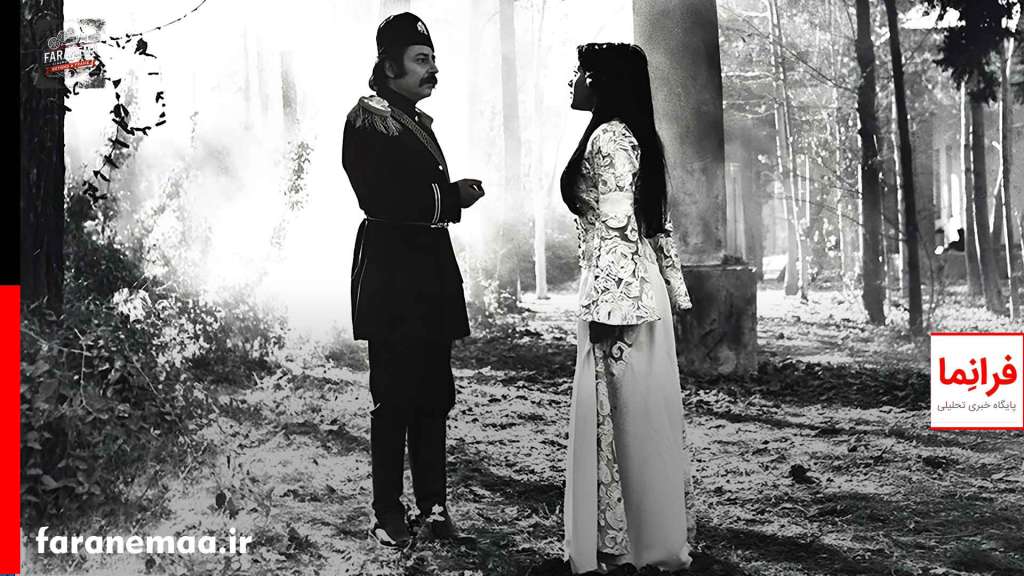
امیر فرخاد | فیلم «شازده احتجاب» ساخته بهمن فرمانآرا در سال ۱۳۵۳، اقتباسی درخشان از رمان هوشنگ گلشیری است. این اثر با زبانی شاعرانه و نمادین، زوال اشرافیت قاجار را به تصویر میکشد.
فیلم بر روانپریشی و انحطاط آخرین بازمانده خاندان تمرکز دارد. این روایت نه تنها نقدی بر استبداد و فساد قدرت است، بلکه چرخه خشونت موروثی و تحقیر زنانگی را نیز آشکار میکند.
یکی از نقاط محوری فیلم، دیالوگ فخرالنسا با شازده است. او با خواندن خاطرات جد کبیر، زندگی اشراف را به تمسخر میگیرد؛ از بیماریها و شرابنوشی تا شکارهای بیمعنا، صیغهکردن زنان و اعدامهای بیدلیل. این گفتوگو با طنزی تلخ، اشرافیت را به مسابقهای غریب در زیادی زنان و قربانیان تشبیه میکند.
فرمانآرا با فلشبکهای غیرخطی و فضاسازی گوتیک عمارت، این دیالوگ را به نمادی از بیداری زنانگی تبدیل کرده است. فخرالنسا نه تنها شازده را به چالش میکشد، بلکه کل سلسله را به تسخر میگیرد.
در مجموع، «شازده احتجاب» فیلمی پیشرو است. این اثر با وفاداری به پلیفونی رمان، تأثیر عمیقی در سینمای ایران گذاشت. هرچند در زمان خود با انتقادهایی درباره پیچیدگی و تأثیرپذیری از سینمای اروپا روبهرو شد، اما امروز شاهکاری در بررسی ترومای تاریخی و جنسیتی شناخته میشود.
Prince Ehtejab: Hereditary Despotism in the Depth of Qajar Decay
Prince Ehtejab (1974), directed by Bahman Farmanara, is a luminous adaptation of Houshang Golshiri’s seminal novel. With a poetic and symbolic cinematic language, the film portrays the decline of Qajar aristocracy.
The narrative focuses on the neurosis and inner degeneration of the dynasty’s last heir. It is not merely a scathing critique of despotism and corruption, but also a profound exploration of hereditary violence and the systemic humiliation of femininity.
A pivotal moment emerges in the dialogue between Prince Ehtejab and his fiancée Fakhr al-Nesa. By reading the memoirs of the Grand Ancestor, she ridicules the trivial and grotesque details of aristocratic life—from “the blessed hemorrhoids” and endless drinking bouts to meaningless hunts, the serial concubinage of women, arbitrary executions, and confiscations of property. She likens this grotesque legacy to a bizarre competition among forefathers in amassing wives and victims.
This exchange, laced with bitter irony, unveils the film’s hidden layers: absolute power, instead of serving society, degenerates into idleness and narcissism. The aristocratic body becomes reduced to cycles of bloodshed, sexual control, and the appeasement of an inner court filled with dark-eyed women.
Farmanara employs non-linear flashbacks and the gothic mise-en-scène of the mansion to transform this dialogue into a symbol of repressed female awakening. Fakhr al-Nesa not only confronts the Prince but ridicules the entire lineage.
Overall, Prince Ehtejab stands as a pioneering work. By remaining faithful to the polyphonic structure of Golshiri’s novel, it left a lasting impact on Iranian cinema. Although initially criticized for its complexity and perceived European influences, today it is recognized as a masterpiece in examining historical and gendered trauma—depicting the collapse of a dynasty not through spectacle, but through the suffocating silence of a decaying mansion.