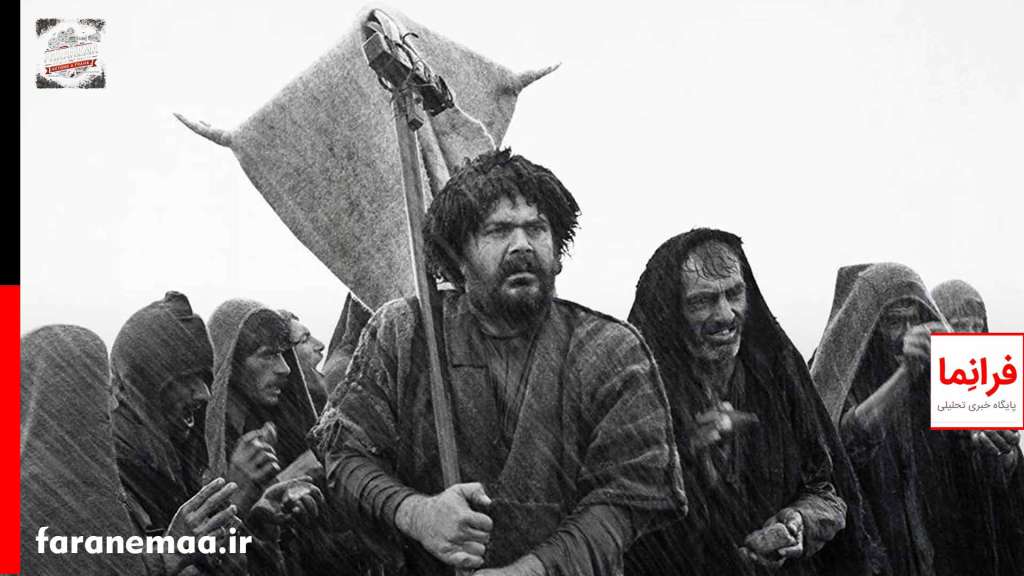
امیر فرخاد | فیلم «غریبه و مه» (۱۳۵۳) یکی از پیچیدهترین، انتزاعیترین و در عین حال بصریترین آثار بهرام بیضایی و کل تاریخ سینمای ایران است. این فیلم در دورانی ساخته شد که سینمای روشنفکری ایران (موج نو) جایگاه خود را تثبیت میکرد، اما بیضایی با این اثر مسیری کاملاً متفاوت از همعصران خود، مانند کیمیایی یا مهرجویی، برگزید.
از واقعگرایی تا اسطورهشناسی
اگر «رگبار» را تجربهای در بازنمایی واقعگرایانه محیط شهری بدانیم، «غریبه و مه» جهشی بزرگ به سمت سینمای اسطورهشناختی است. بیضایی در اینجا از قید زمان و مکان خاص میگریزد. هرچند لوکیشن شمال ایران است، اما اتمسفر فیلم فضایی فراتاریخی را تداعی میکند. این فیلم سنگ بنای آثاری چون «چریکه تارا» و «مرگ یزدگرد» است؛ جایی که تاریخ با افسانه گره میخورد و «هویت» به پرسش اصلی بدل میشود.
نمادها و نشانهها در فیلم
فیلم سرشار از نمادهایی است که ریشه در ناخودآگاه جمعی و آیینهای کهن دارند:
- دریا: موجودی زنده، بیرحم و در عین حال بخشنده. هم «آیت» (غریبه) را به ساحل میآورد و هم شوهر «رعنا» را میبلعد. نماد سرنوشت محتوم و بیکرانگی.
- مه: نماد تعلیق و فقدان آگاهی. هویت آیت در مه گم میشود و دشمنان او نیز از دل مه پدیدار میشوند. مه غبار تاریخی است که بر حافظه جمعی نشسته است.
- داس: ابزاری دوگانه؛ هم برای درو و زندگیبخشی و هم برای قتل و مرگآفرینی. علامت سوالی بزرگ بر گردن آیت.
- لباس رعنا: تغییر رنگ لباس در ابتدا و انتهای فیلم نشاندهنده چرخه ابدی رنج است؛ زنی که از سوگ میگریزد اما دوباره به آغوش آن بازمیگردد.
غریبه و هراس جمعی
ورود «آیت» به عنوان یک غریبه، تعادل پوشالی روستا را بر هم میزند. واکنش اهالی (محاکمه، اصرار به ازدواج برای محرم شدن) تلاشی است برای استحاله «دیگری» در دل «خود». برادران شوهر سابق رعنا نماد پاسداران سنت و غیرت صوری هستند؛ آنها نه به خاطر عشق، بلکه برای حفظ بقای ساختار خانواده قدیمی، راه را بر تغییر (ازدواج آیت و رعنا) میبندند.
هراس از ناشناختهها
«غریبه و مه» فیلمی درباره هراس از ناشناختههاست. آیت، غریبهای است که از گذشته میگریزد اما گذشته (در قالب سیاهپوشان) سرانجام او را مییابد. فیلم نشان میدهد گریزی از کیفرخواست تاریخ نیست. بیضایی با این اثر، سینمای ایران را از سطح دغدغههای روزمره به سطح تأملات فلسفی درباره تقدیر و هویت ارتقا داد.
Myth and Legend in Bahram Beyzaie’s Cinema
Amir Farkhad | The film “The Stranger and the Fog” (1974) can be considered one of the most complex, abstract, and at the same time visual works of Bahram Beyzaie and of the entire history of Iranian cinema. This film was made during a period when Iran’s intellectual cinema (the New Wave) was consolidating its position, yet Beyzaie chose a completely different path from his contemporaries such as Kimiai or Mehrjui.
From Realism to Mythology
If “Downpour” can be seen as an experiment in realistic representation of an urban environment, “The Stranger and the Fog” marks a major leap toward mythological cinema. Here, Beyzaie escapes the constraints of specific time and place. Although the location is northern Iran, the atmosphere evokes a timeless, transhistorical space. This film laid the foundation for works such as “Ballad of Tara” and “Death of Yazdgerd”—where history intertwines with legend and “identity” becomes the central question.
Symbols and Archetypes
The film is filled with symbols rooted in collective unconscious and ancient rituals:
- The Sea: A living, merciless yet generous entity. It brings “Ayat” (the stranger) to shore and swallows Rana’s husband. The sea symbolizes inevitable fate and infinity, against which the small human being is powerless.
- The Fog: A symbol of suspension and lack of awareness. Ayat’s identity is lost in the fog, and his enemies emerge from it. The fog represents the historical haze that clouds our collective memory.
- The Sickle: A dual instrument—used both for harvesting (life-giving) and killing (death-bringing). It hangs as a great question mark over Ayat’s neck, forcing him to work and simultaneously dragging him to trial.
- Rana’s Clothing: The change in her dress color at the beginning and end of the film signifies the eternal cycle of suffering. A woman fleeing grief, only to ultimately return to its embrace.
The Stranger and Collective Fear
The arrival of “Ayat” as a stranger disrupts the fragile balance of the village. The villagers’ reactions—trial, insistence on marriage to make him “lawful”—are attempts to assimilate the “Other” into the “Self.” The brothers of Rana’s late husband embody guardians of tradition and superficial honor. They block the marriage of Ayat and Rana not out of love, but to preserve the survival of the old family structure.
Fear of the Unknown
“The Stranger and the Fog” is a film about fear of the unknown. Ayat is a stranger fleeing his past, but the past (in the form of the black-clad men) eventually finds him. The film demonstrates that there is no escape from history’s indictment. With this work, Beyzaie elevated Iranian cinema from everyday concerns to philosophical reflections on fate and identity.