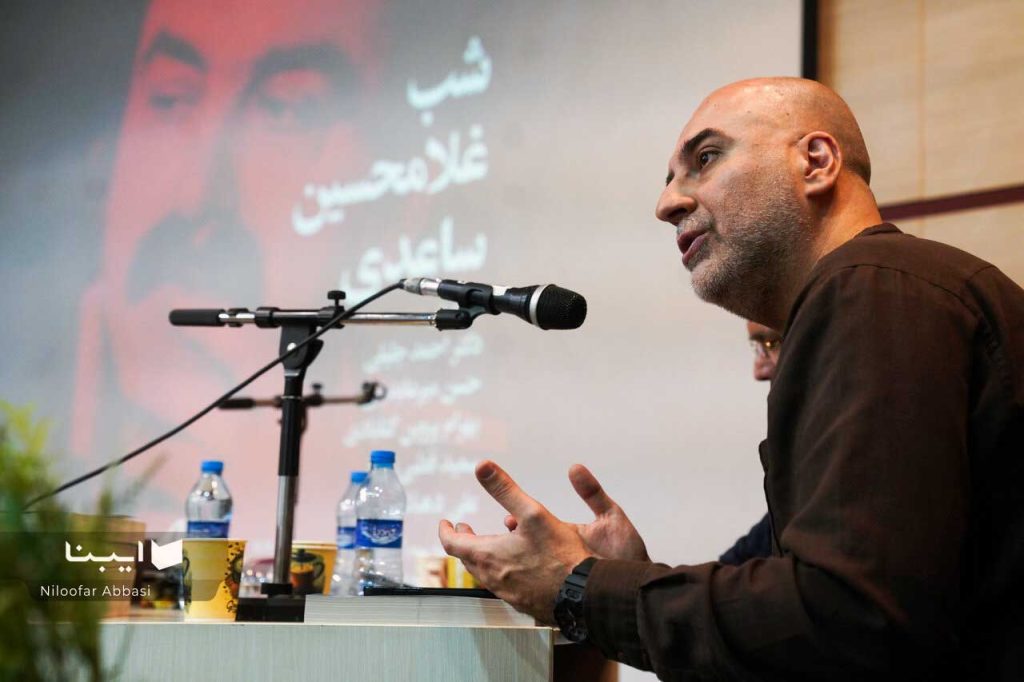
سعید قطبیزاده، منتقد سینما، در شب غلامحسین ساعدی با انتقاد از تبدیلشدن واژه «چپ» به دشنام و محاکمه افراد به دلیل باورهایشان، تأکید کرد که آثار ساعدی را نمیتوان در چارچوب ادبیات تبلیغاتی و رئالیسم سوسیالیستی ارزیابی کرد.
به گزارش فرانما، سعید قطبیزاده در نهصدونودوهفتمین نشست از مجموعه شبهای بخارا که به یاد غلامحسین ساعدی برگزار شد، به دفاع از استقلال ادبی و هنری آثار این نویسنده پرداخت و نسبت به قضاوتهای افراطی درباره گرایشهای فکری و سیاسی او واکنش نشان داد.
قطبیزاده با اشاره به تغییر بار معنایی واژه «چپ» در فضای عمومی گفت: «امروز مد شده که چپ را تبدیل به دشنام میکنند. یک زمانی مایه مباهات بود، امروز انگار که ننگ است.»
قطبیزاده: آثار ساعدی در خدمت تبلیغات ایدئولوژیک نیستند
این منتقد سینما در ادامه، با اشاره به تأثیر نگرش استالینی بر ادبیات قرن بیستم و شکلگیری رئالیسم سوسیالیستی، توضیح داد که بخشی از این جریان ادبی با آثاری شناخته میشود که در ستایش نیروی تودهها، هژمونی انقلابی و مفاهیم ایدئولوژیک نوشته شدهاند.
او با تأکید بر تفاوت آثار غلامحسین ساعدی با این الگو گفت که در نوشتههای او نشانی از ادبیات شعاری و تبلیغاتی رئالیسم سوسیالیستی نمیبیند. قطبیزاده در این باره به ترکیب عناصر سوررئال و ناتورالیستی در جهان آثار ساعدی اشاره کرد و از «گاو» و داستان «آشغالدونی» بهعنوان نمونههایی از این رویکرد نام برد.
او گفت: «من شخصاً تکتک آثار ساعدی را که میخوانم، میبینم این نگاه سوررئالی که در مثلاً فیلم «گاو» وجود دارد، این ذهنیتی که ترکیب روانکاوی و هنری با نگاه ناتورالیستی است، در داستان «آشغالدونی» و خیلی از داستانهای دیگر، به هیچ عنوان در خدمت آن نگرش ایدئولوژیک، تبلیغاتی و شعاری آثار رئالیسم سوسیالیستی نیست.»
«محاکمه کردن آدمها به خاطر باورهایشان، حرکتی فاشیستی است»
قطبیزاده بخش دیگری از سخنانش را به نقد برخوردهای مبتنی بر اعتقادات و گرایشهای سیاسی افراد اختصاص داد و گفت: «اگر ما با اعتقاد و باور یک نفر سروکار داریم، فقط محاکمه کردن آن آدم یک حرکت فاشیستی است. این مثل دادگاه تفتیش عقاید است؛ یکی چپ است، یکی راست.»
او برای توضیح این دیدگاه به جی. دی. سلینجر اشاره کرد و افزود که امروز آثار این نویسنده را به دلیل ویژگیهای اخلاقی یا اعتقادات شخصی او محاکمه نمیکنند؛ چرا که باید میان باورهای فردی یک هنرمند و ارزشگذاری درباره آثارش تمایز قائل شد.
این منتقد سینما در پایان، با انتقاد از آنچه عقدههای حلنشده، بیسوادی و تنبلی در قضاوت درباره چهرههای فرهنگی خواند، گفت: «ما عادت کردیم که به خاطر یکسری عقدههای کور، برای توجیه بیسوادی و تنبلی خودمان، آدمها را بهراحتی محاکمه بکنیم.»
قطبیزاده با توصیف شرایط کنونی بهعنوان «دوران تاریک تاریخی» هشدار داد که میراثهای معنوی و فرهنگی جامعه بهآسانی در معرض بیاعتنایی و حراج قرار گرفتهاند.
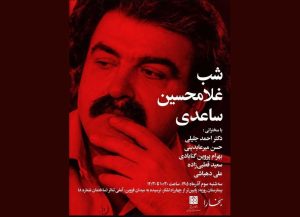
شب غلامحسین ساعدی در بیمارستان روزبه
نهصدونودوهفتمین شب از مجموعه شبهای بخارا به یاد غلامحسین ساعدی، سهشنبه ۳ آذر ۱۴۰۵ در آمفیتئاتر بیمارستان روزبه برگزار شد. در این نشست، احمد جلیلی، حسن میرعابدینی، بهرام پروینگنابادی، سعید قطبیزاده و علی دهباشی سخنرانی کردند.
غلامحسین ساعدی، نویسنده و نمایشنامهنویس ایرانی که با نام مستعار «گوهر مراد» نیز شناخته میشد، از چهرههای تأثیرگذار ادبیات معاصر ایران است. آثار او در سینما نیز حضوری ماندگار داشتهاند؛ از جمله داستان «گاو» که داریوش مهرجویی آن را به فیلمی با همین نام تبدیل کرد. «دایره مینا» ساخته مهرجویی نیز بر اساس داستان «آشغالدونی» و «آرامش در حضور دیگران» ساخته ناصر تقوایی، بر پایه داستانی از ساعدی شکل گرفتند.
ساعدی در ۲ آذر ۱۳۶۴ در پاریس درگذشت و در گورستان پرلاشز به خاک سپرده شد.
ویدیو: کامیار معصومی
عکس: نیلوفر عباسی
.
Ghotbizadeh: Putting People on Trial for Their Beliefs Is Fascistic
Film critic Saeed Ghotbizadeh criticized the use of the word “leftist” as an insult and the judgment of individuals based on their beliefs, arguing that Gholamhossein Saedi’s works should not be classified as ideological propaganda or socialist realism.
At the 997th session of the Nights of Bokhara series, held in memory of Gholamhossein Saedi, film critic Saeed Ghotbizadeh defended the literary and artistic independence of the writer’s work and responded to extreme judgments about his political and intellectual views.
Referring to the changing connotations of the word “left” in public discourse, Ghotbizadeh said: “It has become fashionable today to turn ‘leftist’ into an insult. There was a time when it was a source of pride; today, it seems to be treated as a disgrace.”
Saedi’s Works Are Not Ideological Propaganda
Ghotbizadeh went on to discuss the impact of Stalinist thought on twentieth-century literature and the emergence of socialist realism. He noted that some works associated with this literary movement celebrated the power of the masses, revolutionary hegemony and ideological concepts.
He stressed that he did not see Gholamhossein Saedi’s writing as belonging to this model of ideological literature. Referring to the combination of surrealist and naturalist elements in Saedi’s work, he cited The Cow and the short story Ashghalduni as examples.
“I personally find, when I read Saedi’s works, that the surrealist perspective found, for example, in the film The Cow, and the combination of psychoanalytic and artistic elements with a naturalistic approach in the story Ashghalduni and many of his other stories, are in no way serving the ideological, propagandistic or slogan-driven outlook of socialist realist works,” he said.
“Putting Someone on Trial for Their Beliefs Is Fascistic”
Ghotbizadeh devoted another part of his remarks to criticizing the judgment of individuals on the basis of their political beliefs and affiliations.
“If we are dealing with someone’s convictions and beliefs, simply putting that person on trial is a fascistic act. It is like an inquisition: one person is left-wing, another is right-wing,” he said.
To illustrate his point, he referred to J. D. Salinger, arguing that the writer is not judged today solely on the basis of his personal moral characteristics or beliefs. Ghotbizadeh emphasized the distinction between an artist’s private convictions and the assessment of their artistic work.
The film critic concluded by criticizing what he described as unresolved resentments, lack of knowledge and intellectual laziness in the way cultural figures are judged.
“We have become accustomed to putting people on trial so easily, driven by blind resentments and to justify our own lack of knowledge and laziness,” he said.
Describing the present as a “dark historical period,” Ghotbizadeh warned that society’s intellectual and cultural heritage was being carelessly devalued and put up for sale.
Gholamhossein Saedi Memorial Night
The 997th session of the Nights of Bokhara series, dedicated to Gholamhossein Saedi, was held on Tuesday, November 24, 2026, at the Ruzbeh Hospital auditorium in Tehran. The speakers included Ahmad Jalili, Hassan Mirabedini, Bahram Parvin-Gonabadi, Saeed Ghotbizadeh and Ali Dehbashi.
Gholamhossein Saedi, also known by the pen name Gohar Morad, was one of the influential figures in modern Iranian literature and drama. His work also left a lasting mark on Iranian cinema. Dariush Mehrjui adapted Saedi’s story The Cow into the film of the same name. Mehrjui’s The Blue Cycle was based on Saedi’s story Ashghalduni, while Nasser Taghvai’s Calm in the Presence of Others was also adapted from one of his stories.
Saedi died in Paris on November 23, 1985, and was buried in Père Lachaise Cemetery.