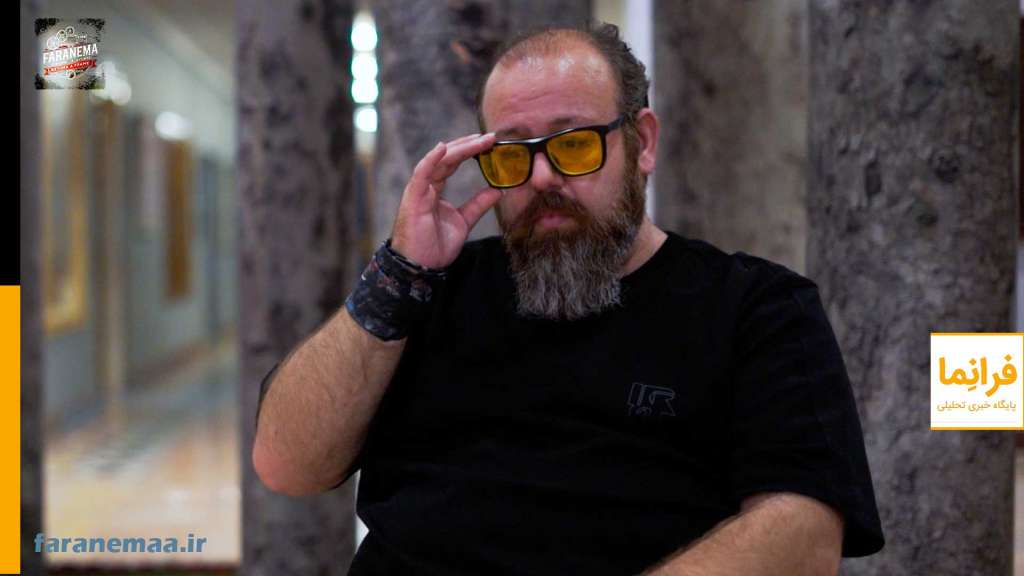
به گزارش فرانما، تیام یابنده، فیلمساز و پژوهشگر سینمای تجربی، در حاشیه «پاتوق فیلم تهران» در خانه هنرمندان، در گفتوگویی مفصل به بررسی چالشهای هوش مصنوعی در سینمای ایمرسیو (Immersive Cinema) و وضعیت آموزش و تولید در سینمای تجربی ایران پرداخت. او با مرور تجربههای جهانی و تاریخچه «سینمای آزاد» در ایران، بر ضرورت بازگشت به آگاهی فرمی و جسارت در روایت تأکید کرد.
چالشهای AI در سینمای ایمرسیو و XR
یابنده با اشاره به اینکه سینمای ایمرسیو نزدیک به یک دهه است که در جهان بهطور جدی دنبال میشود، گفت: «سینمای XR شامل واقعیت افزوده (AR)، واقعیت مجازی (VR) و واقعیت ترکیبی (MR) است. هوش مصنوعی در این حوزه با چالش جدی روبهروست، چون در فرمت ۳۶۰ درجه اساساً تدوین مرسوم وجود ندارد و حتی در صداگذاری نیز با فرمتهای خاصی مثل HRTF مواجهیم که خروجی گرفتن از آن برای AI دشوار است.» او افزود: «AI در تولید پلانهای ۳۶۰ درجه ناتوان است و معمولاً فقط تکفریم ارائه میدهد. سینما یعنی حرکت و تداوم تصویر، اما AI هنوز این تداوم را در فیلم ایجاد نمیکند.»
نقش آگاهی و مهارت در استفاده از AI
این فیلمساز تأکید کرد: «AI میتواند در حوزههایی مثل ویژوال افکت، استوریبورد، مودبورد و پیشتولید بسیار کمککننده باشد، اما استفاده مؤثر از آن نیازمند آگاهی کامل است. اگر بخواهید یک فیلم کوتاه یا بلند را کاملاً با AI بسازید، باید برایش ایجنتسازی کنید؛ از طراحی استوریبورد و کانسپتها تا خلق محیطها. این کار سادهای نیست و زمان میبرد تا AI بتواند مستقل عمل کند.»
سینما، هنر گروهی
یابنده هشدار داد: «سینما ذاتاً یک هنر گروهی است و شور آن به کار جمعی و تجربه مشترک مخاطب برمیگردد. AI با فردیکردن فرآیند تولید، بخشی از این ماهیت را تهدید میکند.»
وضعیت سینمای تجربی در ایران
او با مرور تجربه نسل خود و مقایسه با فیلمسازانی چون شهرام مکری و مجید برزگر گفت: «در جشنوارهها گاهی ۲۰ تا ۳۰ فیلم بهعنوان تجربی ارائه میشود، اما همه آنها پیور و ناب نیستند. این باعث کجفهمی میشود، چون برخی فیلمهای داستانی صرفاً با تدوین نامفهوم یا فرم غیرخطی به بخش تجربی میآیند.» یابنده نبود آموزش آکادمیک را «بزرگترین باگ» سینمای داستانی و بدنه دانست: «در دانشگاههای سینمایی ما حتی یک واحد آموزشی جدی درباره سینمای تجربی وجود ندارد. استادان علاقهمند و متخصص هم کم هستند، چون این حوزه نان و بازاری ندارد.»
تعریف سینمای تجربی و مرز آن با تجربهگرایی
او با اشاره به تعاریف نادرست رایج گفت: «فیلم بدون دیالوگ یا با ایدههای فانتزی و ژانر وحشت یا علمیتخیلی لزوماً تجربی نیست. ژیگا ورتوف در مردی با دوربین فیلمبرداری میگوید سینمای تجربی تجربهای است برای بسط و توسعه گرامر سینما. این یعنی ارائه پیشنهاد تازه به زبان سینما، نه صرفاً روایت غیرخطی یا فرم متفاوت.» یابنده افزود: «تجربهگرایی واقعی در روایت، حاصل همفکری کارگردان و تدوینگر است. تدوین صرفاً چیدن تصاویر پشتسرهم نیست، بلکه باید ساختار و معماری روایت را دگرگون کند.»
از «سینمای آزاد» تا امروز
یابنده یادآور شد: «بین سالهای ۱۳۴۸ تا ۱۳۵۸ با سینمای آزاد آشنا بودیم و فیلمسازانی چون شهید ثالث، رهنما و نصیب نصیری در این جریان فعال بودند. بعد از آن وقفهای طولانی ایجاد شد. اما همان پیشینه باعث شد کارگردانی مثل کیانوش عیاری بتواند فیلمی چون کاناپه را بسازد که با ایدهای ساده مثل استفاده از کلاهگیس، محدودیتها را دور میزند.»
جسارت، آگاهی و نوآوری
او سینمای تجربی را ظرفیتی برای بیان شخصی و حتی سیاسی و اجتماعی دانست و گفت: «اگر این جسارت به ما داده شود، میتوانیم در همین ژانرها فیلمهای متفاوتتری بسازیم. چرا با وجود تجربه هشت سال جنگ، فیلمی در ابعاد ۱۹۱۷ یا Parasite نداریم؟» یابنده با اشاره به نمونههایی از سینمای فرمال و کارگردانانی چون هیچکاک، گفت: «آگاهی به تاریخ و تکنیکهای سینما، خلاقیت و نوآوری را در قصههای امروز بیشتر میکند. سینمای تجربی با خط و نقطه کار نمیکند؛ گرافیک و طراحی بصری در فیلم و حتی پوسترش حرف اول را میزند.»
گروه تولید: امیر حمیدینوید، کامیار معصومی و امیر فرخاد
Tiam Yabandeh in an Exclusive Interview with Faranema:
“AI Still Lacks Cinematic Continuity – Experimental Cinema Needs Education and Courage”
In an in‑depth conversation on the sidelines of the “Tehran Film Hangout” at the Iranian Artists Forum, filmmaker and experimental cinema researcher Tiam Yabandeh discussed the challenges of artificial intelligence in immersive cinema (XR) and the state of experimental filmmaking in Iran. Drawing on global experiences and the history of “Free Cinema” in Iran, he stressed the need to return to formal awareness and boldness in storytelling.
AI Challenges in Immersive Cinema and XR
Yabandeh explained that immersive cinema has been pursued seriously worldwide for nearly a decade. XR cinema encompasses augmented reality (AR), virtual reality (VR), and mixed reality (MR). “AI faces serious challenges in this field,” he said, “because in the 360‑degree format there is essentially no conventional editing, and even sound design involves specialized formats like HRTF that are difficult for AI to output.” He added: “AI cannot yet produce 360‑degree moving shots – it usually only delivers single frames. Cinema is about movement and the continuity of the image, and AI still cannot create that continuity in film.”
The Need for Awareness and Skill in Using AI
According to Yabandeh, AI can be very helpful in areas such as visual effects, storyboarding, mood‑boarding, and pre‑production, but effective use requires full awareness: “If you want to make a short or feature film entirely with AI, you have to build agents for it – from storyboards and concepts to environments. It’s not simple, and it will take time before AI can operate independently and replace crew members.”
Cinema as a Collective Art
He warned: “Cinema is inherently a collective art, and its joy comes from group work and the shared experience of the audience. By individualizing the production process, AI threatens part of that essence.”
The State of Experimental Cinema in Iran
Comparing his generation with filmmakers like Shahram Mokri and Majid Barzegar, Yabandeh noted: “At festivals, sometimes 20 to 30 films are labeled as experimental, but not all are pure. This creates misunderstandings, because some narrative films simply use confusing editing or non‑linear form to enter the experimental section.” He called the lack of academic education “the biggest flaw” in Iranian narrative and mainstream cinema: “In our film schools, there isn’t even a single serious course on experimental cinema. There are few passionate, knowledgeable teachers, because this field has no commercial market.”
Defining Experimental Cinema
Yabandeh pointed out common misconceptions: “A film without dialogue, or with fantasy, horror, or sci‑fi ideas, is not necessarily experimental. Dziga Vertov, in Man with a Movie Camera, says experimental cinema is an experience aimed at expanding and developing the grammar of cinema. That means offering something new to the language of cinema, not just telling a story non‑linearly or using an unusual form.” He added: “True experimentation in narrative comes from the collaboration between director and editor. Editing is not just placing images in sequence – it’s about reshaping the structure and architecture of the story.”
From “Free Cinema” to Today
Yabandeh recalled: “Between 1969 and 1979, we were familiar with experimental cinema through the Free Cinema movement, with filmmakers like Sohrab Shahid Saless, Rahnama, and Nasib Nasiri. After that, there was a long break. But that background allowed someone like Kianoush Ayari to make The Couch (Kanapeh), which cleverly used wigs to bypass restrictions.”
Courage, Awareness, and Innovation
He sees experimental cinema as a space for personal, political, and social expression: “If we were given the courage and freedom, we could make much more diverse films in the genres we already work in. Why, despite experiencing eight years of war, don’t we have films on the scale of 1917 or Parasite