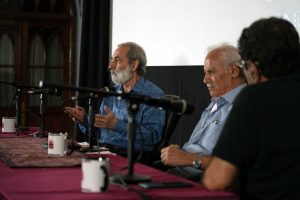
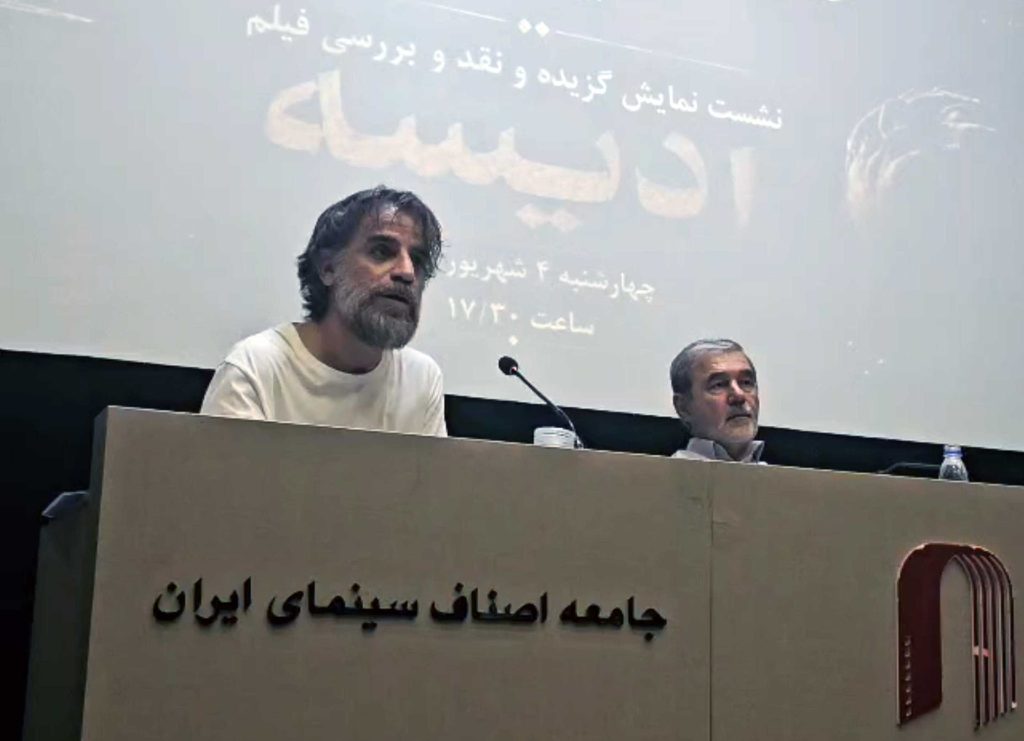
به گزارش فرانما، شهرام مکری در نشست نقد و بررسی فیلم «ادیسه» ساخته کریستوفر نولان، «حافظه» را یکی از کلیدهای اصلی فهم این اقتباس دانست و گفت نولان در روایت سفر اودیسئوس، مسئله بازگشت به خانه را با فراموشی، پیری، وجدان و گریز از مواجهه با گذشته پیوند زده است.
مکری در این نشست که چهارشنبه ۴ شهریور در سالن سیفالله داد خانه سینما برگزار شد، نولان را از جمله فیلمسازانی توصیف کرد که آثارشان همچنان میتوانند بحث درباره سینما و کارگردانی را زنده نگه دارند.
او تأکید کرد که وجود موافقان و مخالفان جدی درباره فیلمهای نولان، فرصت گفتوگو درباره سینما را بیشتر میکند؛ گفتوگویی که از نگاه او بخش مهمی از تجربه فیلم دیدن است.
نولان دوباره ما را درباره سینما حرف میزند
مکری در ابتدای صحبتهای خود به اهمیت گفتوگو پس از تماشای فیلم اشاره کرد.
او گفت عشق و علاقه به سینما تنها از تماشای فیلم شکل نمیگیرد و حرف زدن درباره فیلمها نیز بخشی از تجربه سینمایی است.
از نگاه این فیلمساز، نولان یکی از چهرههایی است که چنین فضایی را ایجاد میکند؛ فیلمسازی که آثارش معمولا موافقان و مخالفان پرشماری دارند و همین اختلاف دیدگاه، بحث درباره سینما را گسترش میدهد.
مکری گفت:
«نولان یکی از آن شمایلی است که میتواند دوباره بحث درباره کارگردانی و خود سینما را زنده کند. موافقان و مخالفانش وقتی با هم بحث میکنند، دوباره فرصت حرف زدن درباره سینما به وجود میآید.»
او همچنین از تحلیل بهمن نامورمطلق در این نشست یاد کرد و گفت برخی نکات مطرحشده درباره نسبت فیلم نولان با حماسه اصلی، زمینهای برای ارائه برداشت متفاوت او از فیلم فراهم کرده است.
چیزهایی که حذف نشدهاند؛ تغییر شکل دادهاند
یکی از محورهای صحبت مکری، تفاوتهای فیلم نولان با «ادیسه» هومر بود.
به گفته او، برخی عناصر مهم متن اصلی که ممکن است در نگاه نخست حذفشده به نظر برسند، در فیلم به شکل دیگری بازگشتهاند.
مکری برای توضیح این موضوع به ماجرای «لوتوس» اشاره کرد؛ عنصری که در حماسه هومر با فراموشی و از دست رفتن میل به بازگشت ارتباط دارد.
او معتقد است نولان این ایده را به شکل مستقیمی که در متن کلاسیک وجود دارد تکرار نکرده، بلکه آن را در ساختار تازه روایت قرار داده است.
مکری گفت:
«در مورد لوتوسها فکر میکنم نولان همچنان به آن ایده اشاره میکند. در فصلهایی که با کالیپسو و شخصیت شارلیز ترون روبهرو هستیم، آن گل نیلوفر که میتواند باعث از دست رفتن حافظه شود، برای من یادآور ایده لوتوسهاست.»
از نگاه او، این تغییر نشان میدهد که نولان الزاما عناصر متن اصلی را کنار نگذاشته است. در عوض، بعضی از آنها را به نشانهها و موقعیتهای تازهای در فیلم تبدیل کرده است.
حافظه؛ مسئلهای آشنا در سینمای نولان
مکری سپس به یکی از مضامین تکرارشونده در آثار کریستوفر نولان پرداخت: حافظه.
او گفت اگر قرار باشد یک روند اصلی در «ادیسه» نولان پیدا شود، مسئله حافظه یکی از جدیترین گزینههاست.
در این برداشت، اودیسئوس فقط مردی نیست که پس از جنگی طولانی تلاش میکند به خانه بازگردد. او شخصیتی است که باید با حافظه خود، گذشتهاش و پیامدهای تصمیمهایی که گرفته روبهرو شود.
مکری گفت:
«اگر از من بپرسید مهمترین روندی که نولان در این فیلم به آن اشاره میکند چیست، فکر میکنم مسئله حافظه یکی از مهمترین آنهاست.»
این نگاه، «ادیسه» را از یک ماجرای صرفا حماسی درباره بازگشت یک قهرمان، به سفری درونی درباره بهیاد آوردن و تلاش برای فراموش کردن نزدیک میکند.
اودیسئوس فقط راه خانه را گم نکرده است
در برداشت مکری، قهرمان فیلم نولان با چند بحران همزمان روبهرو است.
او با حافظه، پیری و وجدان درگیر است. بنابراین، مسیر بازگشت او به ایتاکا صرفا یک مسیر جغرافیایی نیست.
مکری گفت نولان در فیلم نوعی «عدم تمایل» برای بازگشت را نیز ترسیم میکند.
در ظاهر، تمام داستان درباره مردی است که میخواهد به خانه برسد. اما در لایه زیرین روایت، گویی خود شخصیت نیز بارها برای به مقصد نرسیدن دلیل پیدا میکند.
سفر به سوی خانه، همزمان به سفری برای فرار از خانه تبدیل میشود.
مکری این تناقض را یکی از مسیرهای مهم برای خواندن فیلم دانست.
او توضیح داد:
«این سفر به سمت خانه است، اما دائما انگار با بهانههایی برای رسیدن و همزمان با بهانههایی برای به مقصد نرسیدن همراه است.»
فراموشی؛ انتخاب یا حادثه؟
یکی دیگر از نکات مورد توجه مکری، تفاوت میان «از دست دادن حافظه» و «خواستنِ فراموشی» بود.
از نگاه او، فیلم این احتمال را مطرح میکند که فراموشی اودیسئوس تنها نتیجه یک اتفاق بیرونی نباشد.
در این خوانش، شاید بخشی از شخصیت عمدا به سمت فراموش کردن گذشته حرکت میکند؛ زیرا بازگشت حافظه به معنی مواجهه دوباره با جنگ، خشونت و تصمیمهای گذشته است.
مکری گفت:
«شاید یک جور از دست دادن حافظه یا حتی از بین بردن تعمدی حافظه، ایدهای باشد که کمک میکند دوباره به روایت برگردیم و ببینیم روایت چگونه کار میکند.»
این برداشت با ساختار شکسته زمانی فیلم نیز ارتباط پیدا میکند. گذشته یکباره در اختیار تماشاگر قرار نمیگیرد و خاطرات اودیسئوس بهتدریج کامل میشوند.
در نتیجه، روایت نیز مانند حافظه شخصیت اصلی قطعهقطعه و ناپایدار عمل میکند.
«ادیسه» درباره وجدان هم هست
مسئله وجدان بخش دیگری از تحلیل مکری بود.
در فیلم نولان، بازگشت اودیسئوس تنها به معنی عبور از هیولاها، دریا و موانع اسطورهای نیست. او باید با پیامدهای جنگ تروا و نقش خودش در آن نیز روبهرو شود.
به همین دلیل، مکری حافظه و وجدان را از یکدیگر جدا نمیبیند.
اگر شخصیت گذشته خود را به یاد بیاورد، ناچار است مسئولیت آن را نیز بپذیرد.
بنابراین، فراموشی میتواند برای اودیسئوس شکل دیگری از فرار باشد.
این نگاه باعث میشود تأخیر در بازگشت شخصیت، معنایی فراتر از ماجراجوییهای حماسی پیدا کند.
اقتباسی که قرار نیست هومر را تکرار کند
«ادیسه» (The Odyssey) تازهترین فیلم کریستوفر نولان (Christopher Nolan) و اقتباسی آزاد از حماسه مشهور هومر است.
مت دیمون (Matt Damon) در فیلم نقش اودیسئوس را بازی میکند. تام هالند، آن هاتاوی، زندایا، رابرت پتینسون، شارلیز ترون و سامانتا مورتون نیز از دیگر بازیگران اثر هستند.
نولان در این فیلم بسیاری از شخصیتها و رخدادهای حماسه هومر را حفظ کرده، اما ساختار آنها را متناسب با روایت سینمایی خود تغییر داده است.
یکی از مهمترین این تغییرات، برجستهتر شدن ذهن، حافظه و احساس گناه اودیسئوس است.
فیلم نیز مانند متن هومر ساختاری کاملا خطی ندارد. گذشته از خلال خاطرات شخصیت اصلی وارد روایت میشود و بخشهایی از جنگ تروا و سفر اودیسئوس به مرور برای مخاطب روشن میشوند.
نشست «ادیسه» در خانه سینما
نشست تخصصی نقد و بررسی «ادیسه» روز چهارشنبه ۴ شهریور ۱۴۰۵، ساعت ۱۷:۳۰ در سالن سیفالله داد خانه سینما برگزار شد.
این برنامه بخشی از سلسله نشستهای «سینمای جهان» بود که با همکاری انجمن علمی هنر و ادبیات تطبیقی ایران و خانه سینما برگزار میشود.
در این نشست بهمن نامورمطلق فیلم را از منظر اسطورهشناختی بررسی کرد و شهرام مکری درباره ابعاد زیباییشناختی و شیوه روایت تصویری آن سخن گفت.
مکری در جمعبندی نگاه خود، «ادیسه» نولان را اثری دانست که میتوان فراتر از داستان بازگشت اودیسئوس به خانه خواند.
در این خوانش، سفر واقعی شخصیت شاید نه در دریا، بلکه در مواجهه با حافظه، وجدان و گذشتهای باشد که نمیتواند برای همیشه فراموشش کند.
ویدیو: خانه سینما
.
Shahram Mokri: Memory Is the Key to Nolan’s “The Odyssey”
Faranemaa reports that Iranian filmmaker Shahram Mokri described memory as one of the central keys to understanding Christopher Nolan’s “The Odyssey,” arguing that Nolan connects Odysseus’ journey home with questions of forgetting, aging, conscience and an underlying reluctance to confront the past.
Mokri made the remarks during a specialized discussion of “The Odyssey” at the Iranian House of Cinema on Wednesday, August 26, 2026.
He described Nolan as one of those filmmakers whose work continues to generate debate about filmmaking and cinema itself.
According to Mokri, the strong division between supporters and critics of Nolan’s films creates opportunities for audiences to keep discussing cinema.
Nolan Keeps the Conversation About Cinema Alive
Mokri began by emphasizing the importance of discussing films after watching them.
For him, cinephilia is not created through viewing alone. Talking about films is also part of experiencing cinema.
He argued that Nolan is one of the contemporary filmmakers capable of generating this kind of discussion.
His films regularly divide audiences and critics, but Mokri sees that division as productive because it creates further conversation about cinema and directing.
Mokri also praised the analysis presented by Bahman Namvar Motlagh, whose mythological reading of the film provided a starting point for Mokri to offer a different interpretation of Nolan’s adaptation.
What Looks Missing May Have Changed Form
One of the central points in Mokri’s remarks concerned Nolan’s departures from Homer’s original epic.
He suggested that some elements that initially appear to have been removed may actually have returned in a different cinematic form.
Mokri used the Lotus Eaters episode as an example.
In Homer’s epic, the lotus is closely associated with forgetting and with losing the desire to return home.
According to Mokri, Nolan does not simply reproduce that episode in its traditional form. Instead, the idea is incorporated into a different part of the narrative.
He pointed to the sequences involving Calypso, played by Charlize Theron, and the lotus associated with the loss of memory.
For Mokri, this functions as an echo of the original Lotus Eaters episode.
The change suggests that Nolan has not necessarily discarded major themes from Homer. Instead, he has transformed them into new visual and narrative motifs.
Memory as a Familiar Nolan Obsession
Mokri then focused on one of the recurring themes throughout Christopher Nolan’s cinema: memory.
If one central pattern has to be identified in Nolan’s “The Odyssey,” Mokri argued, memory is among the strongest possibilities.
In this reading, Odysseus is not simply a man trying to return home after a long war.
He is a character who must confront his own memories, his past and the consequences of the decisions he made.
This transforms “The Odyssey” from a purely epic adventure into an internal journey concerned with remembering and trying to forget.
Odysseus Has Not Simply Lost His Way Home
In Mokri’s interpretation, Nolan’s protagonist is confronting several crises at the same time.
He is dealing with memory, aging and conscience.
His return to Ithaca therefore cannot be understood merely as a geographical journey.
Mokri suggested that Nolan also introduces a certain reluctance to return.
On the surface, the story follows a man attempting to reach home. Beneath that narrative, however, the character repeatedly seems to find reasons not to arrive.
The journey toward home simultaneously becomes a journey away from it.
For Mokri, this contradiction offers one of the most productive ways of reading Nolan’s film.
Forgetting: Accident or Choice?
Another point raised by Mokri concerned the difference between losing memory and wanting to forget.
He suggested that the film leaves open the possibility that Odysseus’ forgetting is not entirely the result of external forces.
Part of the character may be actively seeking to erase the past, because remembering also means confronting war, violence and his own decisions.
From this perspective, forgetting becomes a way of escaping responsibility.
The interpretation is also closely connected to the film’s fractured chronology.
The past is not presented to the audience all at once. Odysseus’ memories gradually become clearer as the story progresses.
The narrative therefore behaves much like his memory: fragmented, unstable and incomplete.
“The Odyssey” Is Also About Conscience
Conscience was another major theme in Mokri’s reading.
Nolan’s Odysseus is not simply required to survive monsters, seas and mythological obstacles on his way home.
He must also confront the consequences of the Trojan War and his own role in it.
Memory and conscience therefore become inseparable.
If Odysseus remembers his past, he must also accept responsibility for it.
In that sense, forgetting can become another form of escape.
This gives his delayed return a meaning that extends beyond the adventure structure of Homer’s epic.
An Adaptation That Does Not Simply Repeat Homer
“The Odyssey” is the latest film from Christopher Nolan, freely adapting Homer’s ancient Greek epic.
Matt Damon stars as Odysseus.
The ensemble cast also includes Tom Holland, Anne Hathaway, Zendaya, Robert Pattinson, Charlize Theron and Samantha Morton.
Nolan retains many of the characters and episodes associated with Homer’s story while restructuring them around his own cinematic approach.
One of the film’s most significant shifts is its increased emphasis on Odysseus’ mind, memory and guilt.
Like Homer’s epic, the film does not follow a completely linear chronology. The past emerges through the protagonist’s memories, gradually revealing episodes from Troy and his long journey home.
Discussing “The Odyssey” at the Iranian House of Cinema
The specialized session was held on Wednesday, August 26, 2026, at 5:30 p.m. at the Seifollah Dad Hall of the Iranian House of Cinema.
The event formed part of a series of discussions focusing on world cinema, organized through cooperation between the Iranian Scientific Association of Comparative Art and Literature and the Iranian House of Cinema.
Bahman Namvar Motlagh examined the film from a mythological perspective, while Shahram Mokri discussed its visual aesthetics and cinematic form.
Mokri’s interpretation ultimately approached Nolan’s “The Odyssey” as more than the story of a hero attempting to return home.
In this reading, Odysseus’ real journey may take place not across the sea, but through memory, conscience and a past he cannot permanently erase.