از رشد پویانمایی و بازگشت جایزه بازیگری تا سهم ۷۴ درصدی شهرستانها در چهلوسومین جشنواره فیلم کوتاه تهران
به گزارش فرانما، بهروز شعیبی، دبیر چهلوسومین جشنواره بینالمللی فیلم کوتاه تهران، از افزایش آثار بخش ملی، رشد پویانمایی و کیفیت قابل توجه فیلمهای اول خبر داد. او همچنین از بازگشت جایزه بازیگری، برنامههای تازه آموزشی و تولیدی انجمن سینمای جوانان ایران و تلاش برای تمدید صلاحیت جشنواره در مسیر رقابت اسکار سخن گفت.
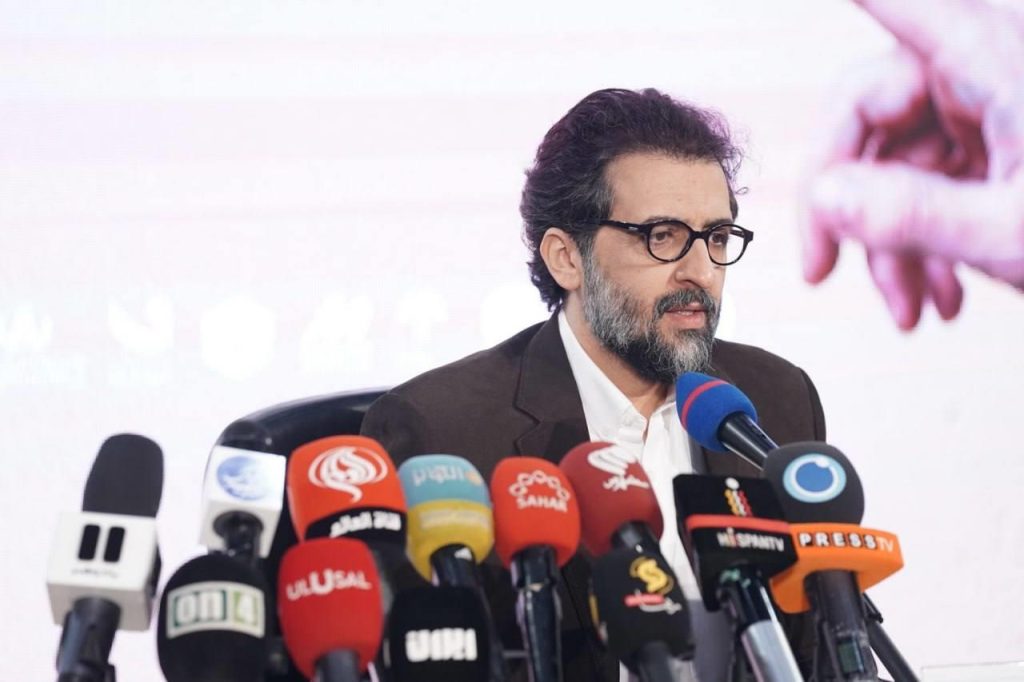
نشست رسانهای این دوره، صبح یکشنبه ۱۹ مهر ۱۴۰۵ در پردیس سینمایی ملت برگزار شد. جشنواره چهلوسوم از ۲۵ تا ۳۰ مهر با رویکرد «اندیشه ایرانی، روایت جهانی» میزبان فیلمسازان و علاقهمندان سینمای کوتاه خواهد بود.
شعیبی در آغاز نشست، با یادکرد از داریوش عیاری، فیلمبردار پیشکسوت سینمای ایران، درگذشت او را تسلیت گفت. سپس با اشاره به شرایط دشوار یک سال گذشته، فرهنگ و هنر را بستری برای بازتاب تجربههای جامعه و روایت رویدادها دانست.
رشد پویانمایی و کیفیت فیلمهای اول
دبیر جشنواره با اشاره به افزایش آثار رسیده به بخش ملی در مقایسه با سه دوره گذشته، رشد پویانمایی را از ویژگیهای مهم این دوره دانست.
به گفته شعیبی، افزایش تعداد آثار پویانمایی باعث شده است زمان بیشتری به نمایش این آثار اختصاص یابد. بخش داستانی نیز با رشد همراه بوده است.
او در همین زمینه گفت کیفیت آثار داستانی فیلماولیها برای برگزارکنندگان جشنواره غافلگیرکننده بوده است. شعیبی تأکید کرد که فیلمسازان جوان در بخش تکنیک تواناییهای چشمگیری نشان دادهاند.
با این حال، از نگاه دبیر جشنواره، پیشرفت فنی بهتنهایی کافی نیست. او معتقد است فیلمسازان باید بتوانند موضوعات و تجربههای خود را به روایتهایی تبدیل کنند که علاوه بر مخاطب ایرانی، برای تماشاگران دیگر کشورها نیز قابل درک باشد.
جایزه بازیگری به جشنواره بازگشت
یکی از خبرهای مهم این نشست، بازگشت جایزه بازیگری به چهلوسومین جشنواره بینالمللی فیلم کوتاه تهران بود.
شعیبی توضیح داد که سال گذشته، حضور بازیگران توانمند و چهرههای شناختهشده در فیلمهای کوتاه توجه برگزارکنندگان را جلب کرد. همین تجربه، ضرورت توجه دوباره به بازیگری را به آنان نشان داد.
او گفت بازیگری یکی از ارکان اصلی فیلم داستانی است و برخی بازیگران حاضر در فیلمهای کوتاه، با وجود شناختهنشدن در سطح عمومی، اجراهای درخشانی دارند.
دبیر جشنواره همچنین درباره ادغام بخشهای صداگذاری و صدابرداری توضیح داد که تفکیک این دو حوزه در برخی دورهها، انتخاب برنده را دشوار میکرد. به همین دلیل، اهدای جایزه در قالب یک بخش واحد دنبال میشود.
سهم ۷۴ درصدی شهرستانها
شعیبی در پاسخ به پرسشی درباره سهم تهران و سایر شهرها از آثار جشنواره اعلام کرد که ۷۴ درصد سهم آثار به شهرستانها و ۲۶ درصد به تهران اختصاص دارد.
او در عین حال بر ضرورت تفکیک وظایف انجمن سینمای جوانان ایران از مسئولیتهای جشنواره تأکید کرد.
از نگاه شعیبی، انجمن باید برای تحقق عدالت فرهنگی و پشتیبانی از فیلمسازان در سراسر کشور تلاش کند؛ اما انتخاب آثار جشنواره بینالمللی باید بر اساس کیفیت و معیارهای حرفهای انجام شود.
او گفت فیلمهای باکیفیتی از استانهای مختلف به جشنواره رسیدهاند و برخی از آنها بدون حمایت ویژه وارد رقابت شدهاند. بنابراین، به اعتقاد او، بهترین حمایت از این آثار آن است که در کنار دیگر فیلمها و بر مبنای کیفیت داوری شوند.
این رویکرد در شرایطی مطرح میشود که انجمن سینمای جوانان ایران همچنان با مأموریت آموزش، تولید و حمایت از استعدادهای سینمایی در نقاط مختلف کشور فعالیت میکند.
«اندیشه ایرانی، روایت جهانی»؛ بازگشت به داشتههای فرهنگی
شعار امسال جشنواره، یعنی «اندیشه ایرانی، روایت جهانی»، یکی دیگر از محورهای نشست بود.
شعیبی توضیح داد که انتخاب این رویکرد در شرایطی شکل گرفت که کشور درگیر جنگ رمضان بود. به گفته او، چنین شرایطی باعث شد بسیاری از افراد بار دیگر به داشتهها و پیشینه فرهنگی خود توجه کنند.
از نگاه دبیر جشنواره، اندیشه ایرانی به بخشهایی از فرهنگ و هویت جامعه اشاره دارد که گاهی در زندگی روزمره کمتر به آنها توجه میشود.
او تأکید کرد هدف آن است که فیلمسازان بتوانند این تجربهها و مؤلفههای فرهنگی را به داستان و درامی تبدیل کنند که در سطح جهانی نیز قابلیت ارتباط و انتشار داشته باشد.
شعیبی همچنین گفت بازتاب بینالمللی جشنواره بدون توجه به جایگاه داخلی آن شکل نمیگیرد. او از رسانهها خواست در معرفی فیلمهای کوتاه و ایجاد ارتباط میان فیلمسازان و مخاطبان نقش فعالتری ایفا کنند.
جنگ رمضان و موضوع میناب در فیلمها
شعیبی در بخش دیگری از نشست به حضور آثار مرتبط با جنگ رمضان و موضوع میناب اشاره کرد.
به گفته او، امسال ۱۸ اثر در بخش «وطن به روایت من» حضور دارند. همچنین با توجه به تعداد آثار ارسالی درباره جنگ، بخشی جداگانه برای نمایش فیلمهای مرتبط با این موضوع در نظر گرفته شده است.
او توضیح داد که جایزه بخش نگاه ملی نیز امسال با توجه به اهمیت موضوع جنگ، به فیلمهای مرتبط با این مسئله اختصاص یافته است. به گفته شعیبی، تعداد آثار ارسالی به اندازهای بود که برگزارکنندگان تصمیم گرفتند برای آنها بخش و جایزهای مستقل در نظر بگیرند تا این فیلمها در میان آثار متعدد داستانی و محدودیت سانسها فرصت دیدهشدن داشته باشند.
دبیر جشنواره همچنین از توجه فیلمسازان به موضوع میناب سخن گفت. به گفته او، این موضوع در بخشی از آثار ایرانی دیده میشود و حتی برخی فیلمسازان بینالمللی نیز به آن پرداختهاند.
شعیبی افزود در بخش بینالمللی و در نشستهای اولیه ارزیابی، آثاری از ایران و کشورهای دیگر با این موضوع بررسی شدهاند. همچنین در طرح پیچینگ «قصههای مدرسه» از شرکتکنندگان خواسته شده است فیلمهای خود را به کودکان میناب تقدیم کنند.
در پاسخ به پرسشی درباره رویدادهای دیماه نیز شعیبی گفت تا جایی که به یاد دارد، فیلمی با موضوع آن اتفاقات به جشنواره نرسیده است.
هوش مصنوعی؛ ابزار یا هدف؟
هوش مصنوعی یکی از موضوعات محوری نشست رسانهای بود. شعیبی گفت سرعت گسترش این فناوری در سینما برای او نگرانکننده شده و تأخیر در شناخت و استفاده درست از آن میتواند هزینههای فرهنگی به همراه داشته باشد.
با این حال، او تأکید کرد هوش مصنوعی باید ابزار باشد، نه هدف.
به گفته شعیبی، آثار ارسالی به جشنواره با معیارهایی همچون تکنیک، محتوا، قصه و درام بررسی شدهاند. او توضیح داد که تعداد زیادی تیزر و ویدیو با استفاده از هوش مصنوعی به جشنواره رسیده بود، اما برخی از این تولیدات ویژگیهای لازم برای یک اثر سینمایی را نداشتند.
از نگاه او، توانایی تولید تصویر به کمک فناوریهای جدید، بهتنهایی یک اثر را به فیلم تبدیل نمیکند. اثر باید بتواند مخاطب را درگیر کند و میان تصویر، روایت و معنا پیوند برقرار سازد.
شعیبی همچنین از ضرورت تدوین آییننامههای حقوقی و تخصصی برای استفاده از هوش مصنوعی در سینما سخن گفت. او معتقد است تعیین ضوابط مناسب به همکاری متخصصان حقوقی و سینمایی نیاز دارد.
۱۶ مهمان بینالمللی و مرور سینمای چند کشور
در بخش بینالملل، شعیبی از حضور ۱۶ مهمان قطعی خبر داد که گروهی از آنان داور و گروهی دیگر فیلمساز هستند.
به گفته او، مهمانانی از کشورهای هلند، مکزیک، روسیه، ترکیه و هند در جشنواره حضور خواهند داشت.
برگزارکنندگان همچنین برنامهای برای مرور سینمای چند کشور در نظر گرفتهاند؛ از جمله سینمای آفریقا، مصر، ترکیه و روسیه. این برنامهها قرار است فرصتی برای آشنایی بیشتر مخاطبان و فیلمسازان ایرانی با تجربههای سینمایی دیگر کشورها فراهم کنند.
شعیبی حضور فیلمسازانی را که در سالهای گذشته داور بودهاند و اکنون با اثر تازهای به جشنواره بازمیگردند، اتفاقی طبیعی و مثبت دانست. او توضیح داد که در سینمای کوتاه، فیلمسازان گاهی در یک دوره داوری میکنند و در دوره بعد آثار خود را به جشنواره میفرستند.
وضعیت صلاحیت اسکار در انتظار پاسخ آکادمی
یکی از موضوعات مورد توجه خبرنگاران، وضعیت صلاحیت اسکار جشنواره فیلم کوتاه تهران بود.
شعیبی توضیح داد که انجمن سینمای جوانان ایران فرمهای لازم را تکمیل کرده و مکاتبات خود را با آکادمی انجام داده است. با این حال، در زمان برگزاری نشست، پاسخ نهایی دریافت نشده بود.
او ابراز امیدواری کرد که صلاحیت جشنواره تمدید شود، اما گفت ممکن است عوامل غیرسینمایی و سیاسی نیز بر نتیجه اثر بگذارند.
بنابراین، تمدید صلاحیت اسکار در زمان این نشست هنوز قطعی نشده بود و تصمیم نهایی به پاسخ آکادمی وابسته است.
دبیر جشنواره همچنین از تغییر رویکرد بخش بینالملل انجمن سخن گفت. به گفته او، این بخش از فعالیتی عمدتاً دبیرخانهای به ساختاری اجراییتر حرکت کرده و فعالیت در حوزه پخش بینالمللی نیز گسترش یافته است.
۲۰ نشست آموزشی و فرصت برای فیلمسازان جوان
شعیبی در ادامه از برگزاری حدود ۲۰ نشست برای اهالی رسانه و فیلمسازان خبر داد.
به گفته او، بخشی از برنامههای آموزشی سالهای گذشته ادامه پیدا میکند و کارگاه «استعداد نو» نیز برای فیلمسازان فیلماولی برگزار خواهد شد.
امسال از پیشکسوتان سینما نیز برای حضور در نشستها دعوت شده است. همچنین بخشی از برنامهها به تجربههای اعضای هیأت انتخاب اختصاص دارد تا فیلمسازان جوان از نگاه حرفهای و شیوه ارزیابی آثار آگاهتر شوند.
دو نشست تخصصی نیز برای عکاسانی در نظر گرفته شده است که آثارشان در بخش عکس جشنواره حضور دارد. افزون بر این، منتورهایی که تجربه حضور در جشنوارههای جهانی را دارند، در نشستها شرکت خواهند کرد.
شعیبی تأکید کرد که هدف این برنامهها، فراهمکردن فرصتهایی است که ممکن است در طول سال برای فیلمسازان کوتاه فراهم نشود؛ از جمله آشنایی با تجربههای بینالمللی، بحث درباره روایت و شناخت جهان معاصر.
«قصههای مدرسه» و توجه به اقتباس
دبیر جشنواره درباره طرح بینالمللی پیچینگ «قصههای مدرسه» نیز توضیح داد که ۱۱ طرح در این مرحله ارزیابی شدهاند و روند معرفی نامزدها در جریان است.
به گفته او، داورانی از ایران، هند و روسیه بهصورت آنلاین در بررسی طرحها مشارکت داشتهاند و جمعبندی نهایی در تهران انجام میشود.
شعیبی همچنین بخش «کتاب و سینما» و فیلمنامههای اقتباسی را از برنامههای جدی جشنواره دانست. بر اساس توضیحات او، آییننامه برای فیلمهایی که در این بخش حضور دارند، امتیازهایی در نظر گرفته است تا بتوانند در برخی مراحل و رویدادهای بعدی انجمن نیز فرصت حضور داشته باشند.
او در عین حال بر ضرورت همکاری دوطرفه با نهادهای فرهنگی، از جمله خانه کتاب، تأکید کرد. به اعتقاد شعیبی، حمایت از سینمای کوتاه نباید صرفاً به تأمین اعتبار محدود شود؛ نهادهای همکار باید در طول سال نیز نسبت به این حوزه دغدغه و مشارکت داشته باشند.
۹۵ اثر تولیدشده و برنامههای تازه انجمن
شعیبی با اشاره به فعالیتهای انجمن سینمای جوانان ایران گفت از ابتدای سال، ۹۵ اثر در قالب برنامههای تولیدی انجمن تولید شده است. او پیشبینی کرد در نیمه دوم سال نیز دستکم به همین میزان یا بیشتر تولید انجام شود.
به گفته شعیبی، انجمن در کنار حمایت مستقیم از تولید، برای گسترش آموزش در استانها نیز برنامه دارد. راهاندازی مدرسه مجازی انجمن و آغاز دوره جامع پویانمایی با همکاری بنیاد پویانمایی از جمله این برنامههاست.
او تأکید کرد که در سال جاری تمرکز ویژهای بر تولید و حمایت از فیلمسازان وجود داشته است. برگزاری پیچینگهای منطقهای و بررسی طرحها در استانها نیز با هدف گسترش فرصتهای تولید و کشف استعدادها ادامه مییابد.
شعیبی گفت انجمن امسال پنجاهمین سال تأسیس رسمی خود را پشت سر میگذارد و تلاش دارد سابقه آموزشی و تولیدی این نهاد را حفظ کند و با نیازهای تازه سینما هماهنگ سازد.
هزینه تولید و حمایت از فیلمسازان
دبیر جشنواره با اشاره به افزایش هزینههای تولید گفت نزدیکشدن حمایتهای انجمن به هزینههای واقعی فیلمسازی، یکی از چالشهای مهم این حوزه است.
او توضیح داد که انجمن تلاش میکند در مراحل مختلف تولید در کنار فیلمسازان باشد، اما حجم بالای آثار و ضرورت توزیع منابع میان استانهای مختلف، محدودیتهایی ایجاد میکند.
شعیبی همچنین از دشواری تأمین منابع مالی جشنواره در سال جاری سخن گفت. به گفته او، دو مجموعه اقتصادی و معاونت فرهنگی شهرداری و تصویر شهر از حامیان جشنواره بودهاند، اما شماری از بنگاههای اقتصادی هنوز به درخواست حمایت پاسخ ندادهاند.
برنامه اکران فیلم کوتاه پس از جشنواره
شعیبی در پاسخ به پرسشی درباره سرنوشت فیلمها پس از جشنواره، بر ضرورت راهاندازی پلتفرمهای تخصصی برای نمایش آثار کوتاه تأکید کرد.
او گفت ایجاد چنین پلتفرمی در برنامه انجمن قرار دارد، اما تا این دوره به اجرا نرسیده است.
در عین حال، برنامه اکران عمومی فیلم کوتاه با عنوان «قرار» حدود یک سال است که در سینماها برگزار میشود. به گفته شعیبی، این برنامه در روزهای زوج هفته ادامه دارد، سانسهای یکساعته دارد و با بلیت نیمبها در دسترس مخاطبان قرار میگیرد.
او خواستار اطلاعرسانی و حمایت بیشتر از این طرح شد تا امکان تداوم نمایش عمومی فیلم کوتاه فراهم بماند.
استقلال هیأت انتخاب و معیارهای داوری
شعیبی درباره روند انتخاب آثار گفت هیأت انتخاب و هیأت داوری در چارچوبی حرفهای فعالیت میکنند و برگزارکنندگان از آنها خواستهاند امانتداری نسبت به آثار و توجه به کیفیت را اصل کار خود قرار دهند.
او افزود که طی دو سال گذشته، آثار بدون درج لوگو در اختیار هیأت انتخاب قرار گرفتهاند تا اعضا بتوانند فیلمها را بدون پیشزمینه درباره سازندگانشان ارزیابی کنند.
شعیبی همچنین تأکید کرد که روایت فیلمساز و نحوه پرداخت به موضوع در ارزیابی فیلم اهمیت دارد.
شعیبی در پاسخ به پرسشهایی درباره ممیزی گفت طی دو سال اخیر با فیلمی مواجه نشده است که از نظر او مشکل جدی داشته باشد و امکان نمایش آن در جشنواره وجود نداشته باشد. در عین حال، او اهمیت فرهنگ عمومی و آرامش فکری مخاطبان را نیز از معیارهای بررسی آثار دانست.
سینمای کوتاه و ضرورت دیدهشدن
دبیر چهلوسومین جشنواره بینالمللی فیلم کوتاه تهران در پایان، سینمای کوتاه ایران را جریانی قدرتمند و قابل اعتنا توصیف کرد که با وجود دشواریها و فرازونشیبهای اقتصادی و حرفهای به فعالیت خود ادامه میدهد.
او از رسانهها خواست آثار کوتاه را جدیتر دنبال کنند و گفت توجه به این آثار میتواند به رشد فیلمسازانی کمک کند که ممکن است در آینده به سینمای بلند راه پیدا کنند یا فعالیت خود را در فیلم کوتاه ادامه دهند.
شعیبی همچنین تأکید کرد که برای فیلمساز، دیدهشدن و مواجهه منصفانه با اثر اهمیت زیادی دارد. از نگاه او، سینمای کوتاه زمانی میتواند در سطح جهانی نیز جایگاه گستردهتری پیدا کند که مخاطبان داخلی و رسانهها آن را بیشتر ببینند و دربارهاش گفتوگو کنند.
چهلوسومین جشنواره بینالمللی فیلم کوتاه تهران از ۲۵ تا ۳۰ مهر ۱۴۰۵ در پردیس سینمایی ملت برگزار میشود.
.
.
Shoeibi: The Quality of Debut Films Surprised Us
From the growth of animation and the return of the acting award to the 74% share of films from outside Tehran
According to Faranema, Behrouz Shoeibi, director of the 43rd Tehran International Short Film Festival, announced an increase in national-section submissions, growth in animation and notably strong quality among debut fiction films. He also discussed the return of the acting award, new production and training programs at the Iranian Youth Cinema Society, and efforts to renew the festival’s Oscar-qualifying status.
The festival’s press conference was held on Sunday, October 11, 2026, at Mellat Cinema Complex. The 43rd edition will take place from October 17 to 22 under the slogan “Iranian Thought, Global Narratives.”
At the beginning of the conference, Shoeibi paid tribute to veteran cinematographer Dariush Ayari, who had recently died. He then spoke about the difficult year the country had experienced and described culture and art as spaces where society’s experiences and events can be reflected and narrated.
Growth in Animation and Debut Films
Shoeibi said the number of films submitted to the national section had increased compared with the previous three editions. He identified the growth of animation as one of the key features of this year’s festival.
According to Shoeibi, the increase in animated works has led organizers to allocate more screening time to the category. The fiction section has also grown.
He added that the quality of debut fiction films had surprised the festival organizers. Young filmmakers, he said, had demonstrated impressive technical abilities.
However, Shoeibi stressed that technical skill alone is not enough. Filmmakers must also turn their subjects and experiences into narratives that can connect not only with Iranian audiences but with viewers in other countries.
The Acting Award Returns
One of the main announcements at the press conference was the return of the acting award to the 43rd Tehran International Short Film Festival.
Shoeibi explained that the presence of capable actors and recognizable performers in short films last year had drawn the organizers’ attention. Their performances demonstrated the need to recognize acting once again.
He said acting is one of the core elements of fiction filmmaking and that some short-film performers deliver outstanding performances despite being unfamiliar to the general public.
Shoeibi also discussed the combination of sound editing and sound recording into a single award category. He said separating the two areas had made it difficult in some editions to determine which discipline should receive the award. A unified category is therefore being used.
A 74% Share for Films from Outside Tehran
In response to a question about the geographical distribution of festival films, Shoeibi said 74% of the films were from cities outside Tehran, while Tehran accounted for 26%.
He stressed the need to distinguish the responsibilities of the Iranian Youth Cinema Society from those of the festival itself.
In his view, the Society should promote cultural equity and support filmmakers throughout the country. However, selection for an international festival should be based on professional standards and artistic quality.
Shoeibi said high-quality films had reached the festival from different provinces, including works that had entered the competition without special support. He argued that the best way to support these films was to evaluate them alongside other works on the basis of merit.
“Iranian Thought, Global Narratives”
The festival’s slogan, “Iranian Thought, Global Narratives,” was another major topic.
Shoeibi said the approach took shape while the country was experiencing the Ramadan war. According to him, the circumstances encouraged people to revisit aspects of their cultural heritage and collective identity.
The phrase “Iranian thought,” he explained, refers to elements of culture and identity that are sometimes overlooked in everyday life.
The festival aims to encourage filmmakers to turn these experiences into stories and dramatic narratives that can also communicate with international audiences.
Shoeibi added that a festival cannot achieve international recognition without a strong presence at home. He called on the media to play a more active role in introducing short films and connecting filmmakers with audiences.
War and Minab in This Year’s Films
Shoeibi also discussed films related to the Ramadan war and the events in Minab.
He said 18 works were included in the section titled My Homeland Through My Eyes. Given the number of submissions related to the war, the organizers had also created a separate screening program for films dealing with this subject.
He explained that the National Outlook award had been allocated to war-related films this year. The number of submissions was large enough, he said, to justify a separate section and award, giving these films a better opportunity to be seen despite the number of fiction films and limited screening time.
Shoeibi said the Minab tragedy had also been addressed by filmmakers. Some Iranian works dealt with the subject, and international filmmakers had also explored it.
According to Shoeibi, films from Iran and other countries addressing Minab were examined in the international section and during preliminary evaluation sessions. Participants in the School Stories pitching program were also asked to dedicate their films to the children of Minab.
Asked about the events of Dey, Shoeibi said that, as far as he could remember, the festival had not received a film specifically addressing those events.
Artificial Intelligence: Tool or Goal?
Artificial intelligence was one of the central topics of the press conference. Shoeibi said the speed of AI’s expansion in cinema had become concerning and that failing to understand and use it properly could carry cultural costs.
However, he stressed that artificial intelligence should be a tool, not a goal.
According to Shoeibi, submissions were assessed through criteria including technique, content, story and dramatic structure. He said many AI-generated teasers and videos had been submitted, but some lacked the essential qualities of a cinematic work.
In his view, the ability to generate images with new technologies does not, by itself, turn a production into a film. A work must engage audiences and establish a meaningful connection between image, narrative and ideas.
Shoeibi also called for legal and professional guidelines for the use of AI in cinema, saying that the process requires cooperation between legal experts and cinema professionals.
Sixteen International Guests and Country Showcases
Shoeibi announced 16 confirmed international guests, including both jurors and filmmakers.
According to him, guests from the Netherlands, Mexico, Russia, Turkey and India will attend the festival.
The organizers have also planned programs showcasing cinema from several countries and regions, including Africa, Egypt, Turkey and Russia. These screenings are intended to help Iranian audiences and filmmakers engage with cinematic experiences from elsewhere.
Shoeibi described it as positive and natural for filmmakers who have served as jurors in previous years to return with new films. In short cinema, he noted, filmmakers may judge films in one edition and submit their own works the following year.
Oscar Qualifying Status Awaits the Academy’s Response
The status of the Tehran festival’s Oscar qualification was another subject raised by journalists.
Shoeibi said the Iranian Youth Cinema Society had completed the required forms and sent correspondence to the Academy. At the time of the press conference, however, a final response had not been received.
He expressed hope that the festival’s qualifying status would be renewed, while noting that non-cinematic and political factors could potentially affect the outcome.
The renewal was therefore not confirmed at the time of the press conference and remained dependent on the Academy’s response.
Shoeibi also described changes to the Society’s international department. According to him, the department has moved from primarily administrative work toward a more active operational structure, including expanded international distribution activities.
Twenty Sessions for Filmmakers and the Media
Shoeibi said the festival would hold around 20 sessions for media representatives and filmmakers.
Some educational programs from previous years will continue, including the New Talent workshop for first-time filmmakers.
Veteran filmmakers have also been invited to participate. In addition, some sessions will focus on the experiences of selection-committee members, helping young filmmakers understand professional evaluation and the criteria used to assess films.
Two specialized sessions are planned for photographers whose works appear in the festival’s photography section. Mentors with experience at international festivals will also take part.
Shoeibi said the purpose is to provide opportunities that short filmmakers may not easily access throughout the year, including exposure to international experience, narrative techniques and different approaches to contemporary subjects.
School Stories and Adaptation
Shoeibi said 11 proposals had been evaluated in the international School Stories pitching program, with the nomination process underway.
According to him, jurors from Iran, India and Russia participated in the online evaluation, while the final deliberations would take place in Tehran.
He also described the Books and Cinema section and adaptation projects as serious priorities. Under the festival’s regulations, films in this category receive certain advantages that may help them qualify for later Society programs and regional events.
However, Shoeibi stressed that partnerships with cultural institutions, including the House of Books, must be mutual. Support for short cinema, he argued, should not be limited to financial contributions; partner institutions should remain engaged throughout the year.
Ninety-Five Productions and New Society Programs
Shoeibi said the Iranian Youth Cinema Society had supported the production of 95 works since the beginning of the year. He predicted that the number produced in the second half of the year would be at least as high.
The Society is also developing training opportunities across the provinces. Plans include launching a virtual school and beginning a comprehensive animation course in cooperation with the Animation Foundation.
Shoeibi said production and filmmaker support had received particular attention this year. Regional pitching sessions and evaluations of proposals in the provinces are also continuing to expand opportunities and identify new talent.
He added that the Society is marking its 50th year of official operation and is seeking to preserve its educational and production legacy while responding to changes in cinema.
Production Costs and Filmmaker Support
Shoeibi said the rising cost of production remains one of the main challenges in short filmmaking.
The Society is trying to bring its support closer to the actual costs of production, but the large number of projects and the need to distribute resources among provinces place limits on the amount it can provide.
He also described the festival’s financial situation as difficult this year. According to Shoeibi, two business groups, the municipality’s cultural deputy and Tasvir-e Shahr had supported the event, while some other companies had yet to respond to requests for assistance.
Screening Short Films After the Festival
Asked about the future of festival films after the event, Shoeibi stressed the importance of creating specialized platforms for short-film exhibition.
He said such a platform is part of the Society’s plans, although it had not been launched in time for this edition.
Meanwhile, the public short-film screening program Gharar has been running in cinemas for about a year. According to Shoeibi, it operates on even-numbered days of the week, offers one-hour screening slots and charges half-price ticket rates.
He called for greater publicity and support to ensure that short films can continue to reach audiences beyond the festival itself.
Selection Independence and Jury Criteria
Shoeibi said the selection and judging committees work within a professional framework and have been asked to treat the films with care and assess their quality fairly.
He added that for the past two years, films have been sent to the selection committee without their logos so that members can evaluate them without prior knowledge of their creators.
According to Shoeibi, the organizers have not imposed predetermined keywords on the selection committee. He also emphasized that a filmmaker’s narrative approach and treatment of a subject are important elements of evaluation.
Asked about censorship, Shoeibi said that in the past two years he had not encountered a film that he considered to have a serious problem preventing its screening. He also said that general cultural standards and the audience’s peace of mind remained relevant considerations.
Short Cinema Needs to Be Seen
Shoeibi concluded by describing Iranian short cinema as a strong and significant field that continues to work despite economic and professional challenges.
He urged the media to follow short films more closely, noting that such attention can help filmmakers who may later move into feature filmmaking or continue working in short cinema.
For Shoeibi, being seen and having one’s work engaged with fairly are central to a filmmaker’s experience. He argued that short cinema can build a wider international presence when domestic audiences and the media watch the films and discuss them.
The 43rd Tehran International Short Film Festival will be held at Mellat Cinema Complex from October 17 to 22, 2026.