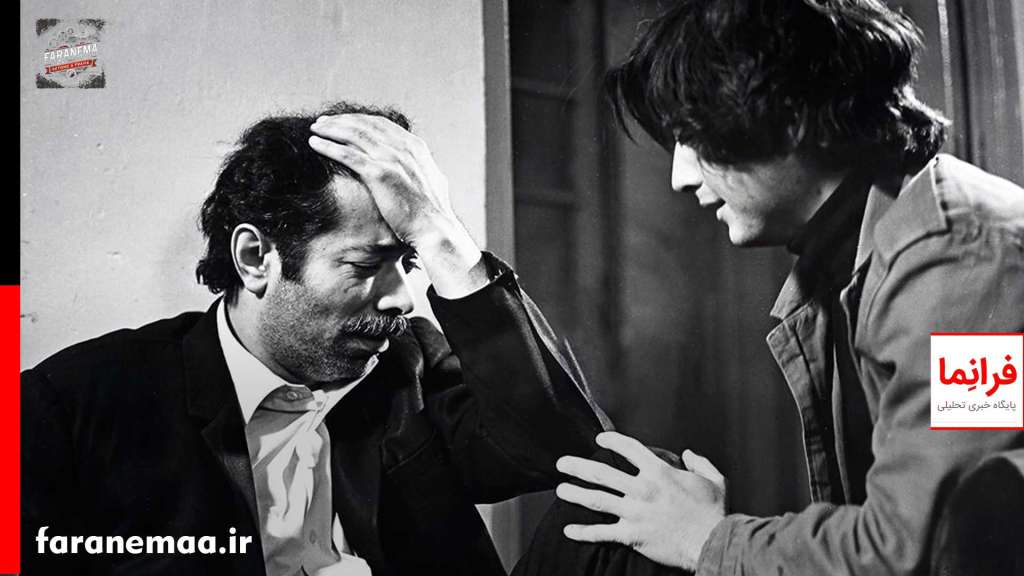
امیر فرخاد | نقد فیلم «سرایدار» به کارگردانی خسرو هریتاش (۱۳۵۵) این فیلم با برداشتی آزاد از کتاب کمدی حیوانی نوشته حسن شریفیمهر ساخته شده است. روایت، مسخ شدن انسان را در جدال نابرابر سنت و مدرنیته نشان میدهد.
رحمان و فروپاشی اجتماعی
هریتاش با خلق شخصیت رحمان (علی نصیریان) نشان میدهد که در نبود عدالت اجتماعی و شکاف طبقاتی، فقر تنها کمبود مالی نیست. بلکه وضعیتی است که در آن انسان حتی حق داشتن «راز» و «خطا» را از دست میدهد. رحمان قربانی سرمایهداری (رئیس)، فرصتطلبی (جعفر) و حقیقتجویی بیرحمانه (پسرش) میشود.
پسر رحمان (سعید کنگرانی) نماینده نسل جدید و «سینمای مستند» است. او حقیقت را جستوجو میکند؛ حقیقتی که فاقد شفقت است. دوربین او نقش «چشم خدا» یا «برادر بزرگ» در رمان ۱۹۸۴ اورول را بازی میکند. رحمان در خلوت خود گناه میکند؛ سرقتی ناکام و ماشینسواری پنهانی. اما نمیداند که زیر نگاه دوربین پسرش قرار گرفته است. ژان پل سارتر در بحث «نگاه» (The Look) میگوید وقتی دیگری به ما نگاه میکند، ما از «سوژه آزاد» به «شئ» تبدیل میشویم. پسر با ضبط انحطاط پدر، او را از مقام «پدر» ساقط کرده و به یک «سوژه مطالعاتی» برای آسیبشناسی اجتماعی تبدیل میکند.
رسانه، هنر و ویرانی
پخش فیلم از تلویزیون نقطه اوج فروپاشی رحمان است. رسانه که باید ابزار آگاهی باشد، اینبار ابزار رسوایی میشود. جامعه و رئیس شرکت با دیدن حقیقت عریان رحمان، به جای درک ریشههای فقر، فردیت او را محاکمه میکنند.
فیلم پسر در اینجا رستگاریبخش نیست، بلکه ویرانگر است. او برای ساختن آینده خود گذشته و حال پدرش را قربانی میکند. این استعارهای از مدرنیزاسیون خشن است که سنت را در ویترین میگذارد و رسوا میکند.
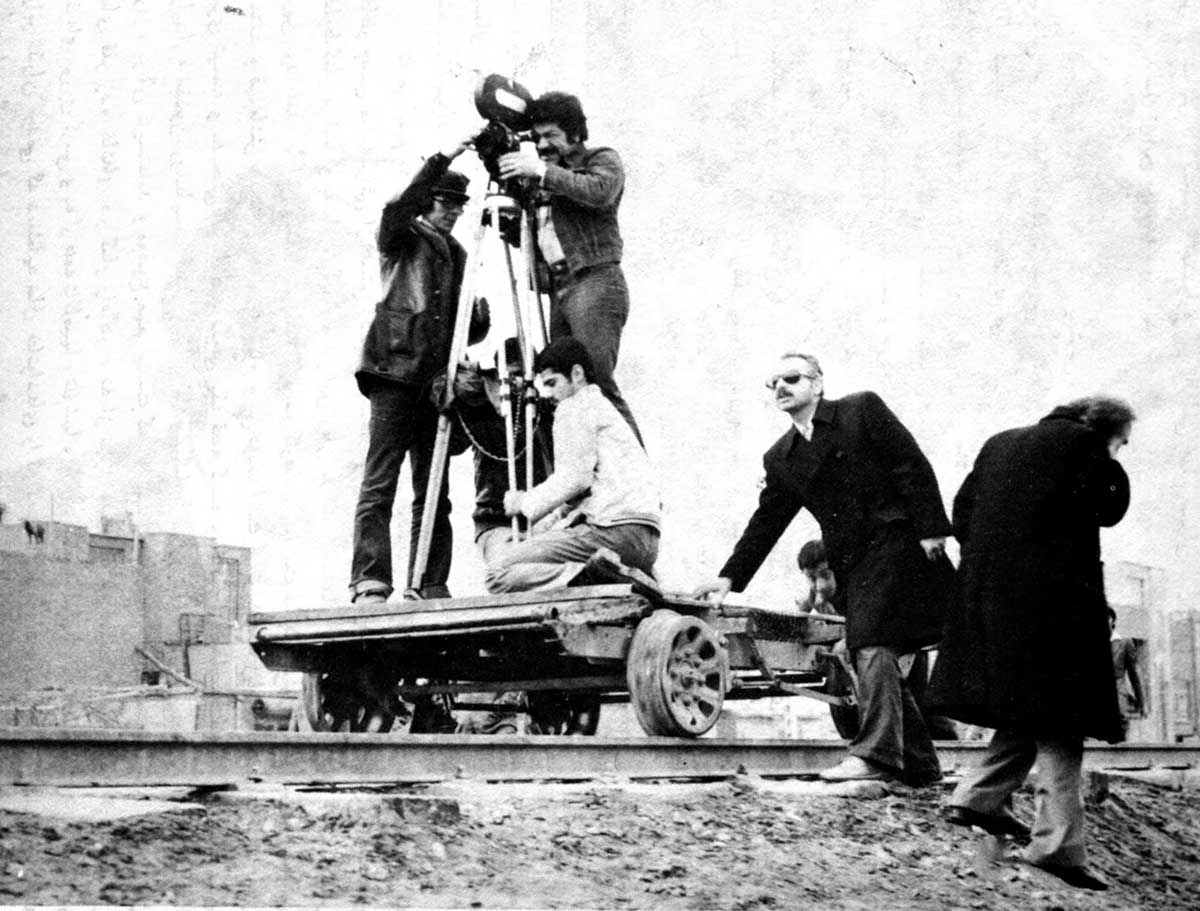
در نهایت باید گفت که فیلم «سرایدار» ارزش تاریخی ویژهای دارد. شاید بتوان گفت در نماهایی درباره خود سینما، تاریخ شفاهی شکلگیری «سینماحقیقت» نهفته است.
The Caretaker: Tradition vs. Modernity
Amir Farkhad | Review of The Caretaker directed by Khosrow Haritash (1976) This film, loosely adapted from Animal Comedy by Hassan Sharifimehr, portrays the dehumanization of man in the unequal struggle between tradition and modernity.
Rahman and Social Collapse
Haritash, through Rahman (Ali Nassirian), presents a clear vision. In the absence of social justice and with class divide, poverty is not only financial deprivation. It becomes a condition where even the right to have “secrets” or “mistakes” is lost. Rahman becomes the victim of capitalism (the boss), opportunism (Jafar), and the merciless pursuit of truth (his son).
Rahman’s son (Saeed Kangarani) represents the new generation and the spirit of documentary cinema. He seeks truth, but a truth without compassion. His camera plays the role of the “eye of God” or “Big Brother” from Orwell’s 1984. Meanwhile, Rahman commits sins: a failed theft and secret joyrides. Yet he does not realize that he has become the object of his son’s lens. Jean‑Paul Sartre, in The Look, argues that when another gazes at us, we shift from a free subject to an object. Consequently, by recording his father’s decline, the son strips him of the authority of “father” and reduces him to a case study for social pathology.
Media, Art, and Destruction
The broadcast of the film on television marks Rahman’s collapse. Media, which should enlighten, becomes an instrument of disgrace. Society and the company boss, upon seeing Rahman’s naked truth, judge his individuality instead of understanding the roots of his poverty.
Here, art (the son’s film) is not redemptive but destructive. To build his own future as an artist, the son sacrifices his father’s past and present. Therefore, this becomes a metaphor for violent modernization. Tradition is placed in a showcase and humiliated.
In the end, The Caretaker holds significant historical value. One might even say that in certain scenes about cinema itself, the oral history of Iranian cinéma vérité is embedded.